How to Grow Tomatoes in Pakistan: Cherry, Roma, Heirloom and More

Tomatoes are among the most rewarding vegetables to grow in Pakistani home gardens, but not every tomato behaves in the same way. A compact Roma plant, a vigorous cherry tomato vine and a giant heirloom beefsteak all need sunlight, fertile soil and steady moisture, yet their container size, support, pruning and harvest pattern can be very different.
This complete guide explains how to grow tomatoes from seed in Pakistan while covering the major tomato types available at ApnaUgao, including cherry, Roma and plum, heirloom, beefsteak, slicing, determinate bush, indeterminate vining and specialty tomatoes.
Table of Contents
- Tomato Growing Quick Facts
- Best Time to Grow Tomatoes in Pakistan
- Major Tomato Types and Their Differences
- Choose an ApnaUgao Tomato Variety
- What You Need
- How to Sow Tomato Seeds
- Hardening and Transplanting
- Best Soil for Tomatoes
- Growing Tomatoes in Pots and Grow Bags
- Staking, Caging and Trellising
- Watering and Mulching
- How to Feed Tomato Plants
- Pruning Determinate and Indeterminate Tomatoes
- Flowering, Pollination and Fruit Set
- Common Pests and Diseases
- Common Tomato Problems
- Summer, Monsoon and Winter Care
- Harvesting Different Tomato Types
- Saving Tomato Seeds
- Common Mistakes to Avoid
- Frequently Asked Questions
Tomato Growing Quick Facts
| Growing factor | Practical guideline |
|---|---|
| Botanical name | Solanum lycopersicum |
| Crop type | Warm-season tender perennial, normally grown as an annual |
| Germination | Usually 5–10 days in warm conditions |
| Sowing depth | Approximately 0.5 cm |
| Transplant stage | 4–6 true leaves and a sturdy stem |
| Sunlight | At least 6–8 hours of direct sun |
| Plant spacing | About 45–90 cm, depending on growth habit |
| Container size | Approximately 20–50 litres per plant, depending on type |
| Support | Stake, cage or trellis for most varieties |
| Harvest | Usually 60–100 days from transplanting, depending on variety |
Best Time to Grow Tomatoes in Pakistan
Tomatoes grow best in warm, frost-free weather, but extreme heat can reduce flower pollination and fruit set. The best planting period therefore depends on your region.
| Region | Suggested nursery sowing | Typical transplanting period |
|---|---|---|
| Lahore, Faisalabad and Punjab plains | January–February and July–August | February–March and August–September |
| Multan and southern Punjab | January–February and July–August under protection | February and late August–September as severe heat eases |
| Karachi and coastal Sindh | September–November | October–December |
| Islamabad, Rawalpindi and Peshawar | January–March and July–August | March–April and August–September |
| Quetta and cool upland areas | February–April in a protected nursery | After damaging frost has passed |
| Northern hill regions | Spring | After the last frost, once nights become milder |
These are practical windows rather than fixed dates. Local frost, heatwaves, monsoon rain and elevation can shift the ideal planting time. In hot regions, raise the second nursery crop under bright shade and transplant only when seedlings can establish without severe midday stress.
Major Tomato Types and Their Differences
Tomatoes can be classified by fruit shape, culinary use, genetics and growth habit. Understanding these differences helps you select the right variety and care for it correctly.
| Tomato type | Main features | Best uses | Growing notes |
|---|---|---|---|
| Cherry tomatoes | Small, sweet fruits produced in clusters | Snacking, salads, roasting and garnishing | Often vigorous and indeterminate; needs a tall support and frequent picking |
| Roma or plum tomatoes | Elongated fruits with thick, meaty flesh and less juice | Sauces, paste, cooking and preserving | Many are determinate and produce a concentrated harvest; use a cage or sturdy stake |
| Beefsteak tomatoes | Very large, meaty slicing fruits | Sandwiches, burgers, salads and grilling | Needs rich soil, a strong trellis and a longer growing period |
| Classic slicing tomatoes | Medium to large round fruits with balanced texture | Everyday salads, cooking, sandwiches and chutneys | Available in both bush and vining forms |
| Heirloom tomatoes | Open-pollinated varieties selected for distinctive flavour, colour or shape | Fresh eating, gourmet dishes, sauces and seed saving | Growth habit varies; many require support and careful watering to limit cracking |
| Determinate tomatoes | Bush plants that reach a limited height and ripen much of the crop together | Containers, preserving and gardeners wanting a concentrated harvest | Do not heavily prune; use a cage to support the fruit load |
| Indeterminate tomatoes | Vines that keep growing, flowering and fruiting until heat, cold or disease stops them | Long, continuous home harvests | Needs strong vertical support and can be trained by selective sucker pruning |
| Dwarf or patio tomatoes | Compact plants bred for limited spaces | Balconies, small patios and pots | Use a suitable container and check moisture often |
| Specialty tomatoes | Unusual colours, hollow fruits, storage types or striped varieties | Gourmet cooking, stuffing, displays and specialty uses | Harvest colour and maturity signs differ from standard red tomatoes |
Heirloom, Open-Pollinated and Hybrid Tomatoes
Heirloom and open-pollinated tomatoes can generally produce seed that resembles the parent variety when plants are kept reasonably isolated from other tomatoes. They are valued for flavour, unusual shapes and genetic diversity.
Hybrid tomatoes are crosses developed for selected characteristics such as uniformity, productivity or resistance. Saved seed from a hybrid may produce plants different from the parent, so purchase fresh seed when you want the same characteristics again.
Neither group is automatically better for every gardener. Choose according to flavour, disease pressure, space, harvest pattern and intended kitchen use.
Choose an ApnaUgao Tomato Variety
Cherry Tomatoes for Containers and Continuous Picking
- Heirloom Red Cherry Tomato – a productive red cherry variety for snacking and salads.
- Yellow Cherry Tomato – Cereza Amarilla – golden-yellow fruit with a sweet flavour.
- Black Cherry Tomato – dark, richly flavoured heirloom cherry fruit.
Most of these cherry varieties are indeterminate. Give them a tall trellis, keep picking ripe clusters and expect the vines to occupy more vertical space than their small fruit size suggests.
Roma and Plum Tomatoes for Sauces
- Roma VF Tomato – a determinate paste tomato with elongated, meaty fruits.
- Rio Grande Tomato – a determinate plum-shaped variety suited to sauces and cooking.
These varieties are useful when you want a larger harvest over a shorter period for sauce, paste, freezing or preserving.
Large Beefsteak and Slicing Tomatoes
- Beefsteak Tomato – a large, juicy slicing variety.
- Oxheart Cuor d’Bue – a giant heart-shaped heirloom with meaty flesh.
- Ananas Tomato – a large, bi-coloured beefsteak-style heirloom.
- Marmande Tomato – a ribbed French heirloom for slicing and cooking.
- RAF Tomato – a ribbed, full-flavoured slicing variety.
- Muchamiel Tomato – a large Spanish heirloom with traditional flavour.
Large-fruited tomatoes need strong stakes or a trellis, generous root space and steady moisture. Fruit numbers may be lower than cherry tomatoes, but each tomato is much heavier.
Compact Bush and Everyday Slicing Tomatoes
- Ace 55 VF Tomato – a determinate round slicing tomato with a concentrated harvest.
- Marglobe Tomato – a determinate, medium-sized classic tomato.
- Saint Pierre Tomato – an indeterminate French variety for a longer picking season.
Specialty Tomatoes
- Green Zebra Tomato – green fruit with yellow striping and a tangy-sweet flavour.
- Yellow Stuffer Tomato – hollow, thick-walled fruit developed for stuffing.
- De Colgar Tomato – a traditional storage tomato harvested in clusters.
Tomato Seed Collections and Sets
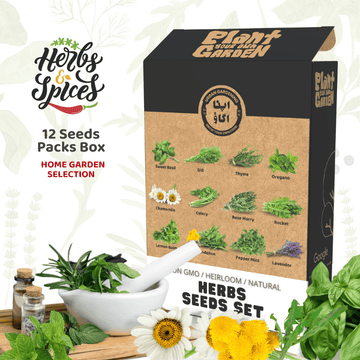
Gardeners who want several varieties can choose the Tomatoes Seed Set or the Exotic Tomato Seeds Set. You can also browse the complete ApnaUgao heirloom tomato seeds collection.
What You Need
- Your selected tomato seeds
- A clean seedling tray, such as the 32-plug seedling tray
- BIOGRO organic potting mix
- Organic vermicompost
- Large pots or grow bags
- Stakes, cages, string or a trellis
- Mulch such as straw or dry leaves
- A balanced fertilizer used according to its label
- Clean pruning scissors and soft plant ties
Beginners who want tomatoes with other warm-season vegetables can consider the Summer Vegetable GREEN BOX, which includes Desi Hybrid Tomato and Cherry Tomato among its seed varieties.
How to Sow Tomato Seeds
Step 1: Prepare the Seedling Medium
Fill clean cells or small nursery pots with a fine, loose and well-draining medium. Moisten it before sowing. Avoid heavy garden soil in seed trays because it compacts easily and increases damping-off risk.
Step 2: Sow Shallowly
Place one or two seeds approximately 0.5 cm deep in each cell. Cover lightly and water with a gentle spray. Label each variety because cherry, Roma and heirloom seedlings can look similar when young.
Step 3: Maintain Warmth and Moisture
Keep the medium evenly moist but never waterlogged. Tomato seeds normally germinate well in warm conditions, roughly 21–29°C. Germination commonly takes 5–10 days, although cooler conditions may slow it.
Step 4: Provide Strong Light Immediately
Once seedlings emerge, place them in strong light. Insufficient light creates long, weak stems. In very hot weather, give bright morning sun and protection from severe afternoon heat while seedlings are still small.
Step 5: Thin and Develop Strong Seedlings
If two seeds germinate in one cell, retain the stronger plant. Water when the surface starts drying and provide airflow. Seedlings are generally ready for hardening when they have 4–6 true leaves and a firm stem.
Hardening and Transplanting Tomatoes
Harden seedlings for 7–10 days before permanent planting. Begin with a few hours of gentle outdoor light and gradually increase exposure. Protect them from harsh sun, strong wind and cold nights during the first days.
- Water the seedling tray before transplanting.
- Choose the late afternoon or a cloudy period.
- Prepare the planting hole and install support at the same time.
- Remove the lower one or two leaves if necessary.
- Plant the seedling slightly deeper than it grew in the tray, leaving the remaining leaves above the soil.
- Firm the soil gently and water around the root zone.
Tomato stems can produce additional roots from buried sections. Deep planting helps establish a stronger root system, but do not bury all foliage or place a weak seedling in waterlogged soil.
Spacing by Growth Habit
- Determinate bush tomatoes: approximately 45–60 cm apart.
- Indeterminate cherry and slicing tomatoes: approximately 60–90 cm apart, depending on the training system.
- Large beefsteak and vigorous heirlooms: allow generous spacing and airflow.
Best Soil for Tomatoes
Tomatoes need fertile soil that holds moisture while draining excess water quickly. A practical potting mixture can include:
- 2 parts quality potting mix or fertile loamy soil
- 1 part mature compost or vermicompost
- 1 part coco peat for moisture retention
- A small amount of perlite, pumice or coarse material for aeration
A slightly acidic to neutral pH of approximately 6.0–7.0 is suitable. Mix organic matter evenly through the root zone. Avoid fresh manure, salty soil and dense clay in containers.
Good drainage is especially important during the monsoon. Persistent waterlogging can damage roots, cause yellowing and encourage wilt or root diseases.
Growing Tomatoes in Pots and Grow Bags
Grow one mature tomato plant per container. Container size should match the variety rather than the fruit size alone.
| Tomato type | Suggested minimum container | Important note |
|---|---|---|
| Compact dwarf or patio tomato | About 15–20 litres | Check the exact mature size of the variety |
| Cherry tomato | About 20–30 litres | Indeterminate cherries still need a tall support |
| Determinate Roma, plum or bush tomato | About 25–35 litres | Use a cage to carry the concentrated fruit load |
| Indeterminate slicing or heirloom tomato | About 35–45 litres | Train vertically and feed consistently |
| Large beefsteak or giant heirloom | About 40–50 litres or larger | Use a stable container and heavy-duty trellis |
Make sure drainage holes remain open. On rooftops, raise containers slightly above hot concrete and secure tall trellises against wind. Small black pots can overheat rapidly in Lahore and other hot cities, so larger grow bags, mulch and afternoon protection may be useful during heatwaves.
Staking, Caging and Trellising
Install support at transplanting time so later work does not injure established roots.
- Cherry and other indeterminate tomatoes: use a tall stake, string trellis or vertical frame.
- Determinate Roma and bush tomatoes: use a broad cage that supports several fruiting branches.
- Beefsteak and giant heirlooms: use a strong trellis with soft ties because individual fruits are heavy.
- Balcony plants: anchor the support to prevent wind from overturning the pot.
Tie stems loosely with soft fabric, garden tape or twine. Leave enough room for stem thickening and inspect ties every few weeks.
Watering and Mulching
Consistent moisture is one of the most important parts of tomato care. Repeated cycles of severe dryness followed by heavy watering increase the risk of fruit cracking and blossom-end rot.
- Water deeply when the upper 2–3 cm of soil begins to dry.
- Direct water toward the root zone rather than splashing foliage.
- Water in the morning whenever possible.
- Never leave containers standing in stagnant water.
- Check pots more often during heat, dry wind and heavy fruiting.
Apply a light layer of straw, dry leaves or clean organic mulch after plants establish. Keep mulch slightly away from the main stem. Mulch moderates soil temperature and reduces moisture fluctuations.
How to Feed Tomato Plants
Tomatoes need balanced nutrition, but excessive fertilizer can create soft leafy growth, delayed flowering and salt stress.
At Planting
Mix mature compost or vermicompost into the soil. Do not place concentrated fertilizer directly against roots.
Early Vegetative Growth
After plants establish and show new growth, use a light balanced feed such as All-Purpose NPK, strictly according to its label. Do not continue pushing high nitrogen once plants are large enough to flower.
Flowering and Fruiting
During flowering and fruit development, maintain balanced feeding and avoid excessive nitrogen. A fruiting formula such as More Fruiting High-K Fertiliser may be used only at the labelled rate. More fertilizer does not automatically mean more tomatoes; root health, temperature, pollination and watering remain equally important.
Browse the ApnaUgao fertilizers and nutrients collection for available options.
Pruning Determinate and Indeterminate Tomatoes
Indeterminate Tomatoes
Vining tomatoes can be trained to one or a few main stems by removing selected suckers—the side shoots that develop where leaves meet the main stem. Selective pruning improves access and airflow in crowded gardens, but excessive pruning reduces leaf area and exposes fruit to sunscald.
- Remove suckers while small if they interfere with the chosen training system.
- Keep enough healthy foliage to shade fruit.
- Remove leaves that touch the soil or are badly diseased.
- Disinfect tools between suspicious plants.
Determinate Tomatoes
Do not heavily prune determinate Roma, Marglobe, Ace 55 VF and other bush varieties. Many flowers form near the ends of their branches, so aggressive sucker removal can reduce the concentrated crop. Limit pruning to damaged, diseased or soil-touching leaves.

Flowering, Pollination and Fruit Set
Tomato flowers are mainly self-pollinating, but vibration helps release pollen. Outdoors, wind and insects usually provide enough movement. On a protected balcony or in a greenhouse, gently shake the flower clusters around midday every few days.
Common reasons for flower drop include:
- Prolonged daytime heat above roughly 32–35°C
- Very warm nights
- Cold nights
- Severe drying or waterlogging
- Excess nitrogen
- Weak light or very high humidity
Correct the environmental stress rather than applying unnecessary sprays. Heat-tolerant varieties may cope better, but no tomato sets fruit perfectly during every extreme heatwave.
Common Tomato Pests and Diseases
Aphids and Whiteflies
These sap-feeding insects gather beneath leaves and can cause curling, sticky residue and weak growth. Inspect plants often, remove badly affected leaves and wash light infestations away with water. Insecticidal soap or a labelled neem-based garden product may be used according to its directions.
Fruit Borers and Caterpillars
Look for holes in leaves or fruit, droppings and hidden caterpillars. Hand-pick where practical, remove damaged fruit and use a labelled caterpillar-control product only when necessary.
Leaf Miners
Leaf miners create pale winding tunnels inside leaves. Remove heavily mined leaves and control weeds that may host the pest. Mature plants can tolerate limited damage.
Spider Mites
Mites are common in hot, dry conditions and cause fine yellow speckling or webbing. Improve plant hydration without waterlogging, wash leaf undersides and avoid dusty stress around plants.
Early Blight and Other Leaf Spots
Leaf spots often begin on lower foliage and spread through splashing water. Remove affected lower leaves, mulch the soil, water at the base and provide spacing. A labelled fungicide may be needed when disease pressure is severe.
Late Blight
Late blight can spread quickly during cool, humid conditions, causing dark water-soaked lesions on leaves, stems and fruit. Remove severely affected plants promptly, avoid composting infected material and protect nearby healthy plants according to local horticultural advice.
Fusarium and Verticillium Wilts
Wilt diseases can cause yellowing and collapse despite adequate soil moisture. Remove badly affected plants, avoid moving contaminated soil, rotate tomatoes and related crops, and consider resistant varieties such as those marked VF where appropriate.
Root and Collar Problems
Waterlogging, compacted soil and planting too deeply in poorly drained conditions can damage the root system. Improve drainage before adding more water or fertilizer.
Common Tomato Problems
| Problem | Likely cause | Practical response |
|---|---|---|
| Blossom-end rot | Calcium is not reaching developing fruit, commonly because moisture or root conditions fluctuate | Keep moisture even, protect roots, avoid overfertilizing and confirm soil drainage before adding calcium products |
| Fruit cracking | Sudden heavy watering or rain after dry conditions | Mulch, water consistently and harvest ripe fruit before major rain |
| Flowers falling without fruit | Extreme heat, cold, humidity, water stress or excess nitrogen | Correct the stress and gently vibrate flowers in protected areas |
| Large plant with few flowers | Too much nitrogen or insufficient sunlight | Reduce nitrogen and move containers to stronger light |
| Yellow lower leaves | Natural ageing, nutrient shortage, waterlogging or leaf disease | Inspect patterns, improve drainage and remove diseased leaves |
| Leaf curl during heat | Physiological response to heat and moisture stress | Maintain even watering and temporary afternoon protection during severe heat |
| Sunscald on fruit | Direct exposure after heavy pruning or leaf loss | Retain healthy foliage and provide temporary shade where needed |
| Fruit remains green around shoulders | Strong heat, variety traits or uneven ripening | Allow additional ripening and protect fruit from extreme sun |
| Small fruit | Variety trait, crowded roots, heavy crop, heat or inadequate nutrition | Use a larger container and maintain balanced care |
Summer, Monsoon and Winter Care
Hot Summer Weather
- Use mulch to keep roots cooler.
- Water deeply in the morning and recheck containers in late afternoon.
- Provide temporary 30–40% afternoon shade during severe heatwaves, while keeping plants bright.
- Do not expect normal fruit set during prolonged extreme heat.
- Keep fruit protected by healthy foliage.
Monsoon Weather
- Raise grow bags so drainage holes remain open.
- Protect containers from continuous heavy rain where possible.
- Increase spacing and airflow.
- Remove spotted lower leaves promptly.
- Avoid watering simply because it is part of a routine; check the soil first.
Cool Weather and Frost
- Tomatoes slow down in cool conditions and are damaged by frost.
- Protect young plants on unexpectedly cold nights.
- In frost-prone regions, wait until conditions become reliably mild before transplanting.
- Harvest mature green fruit before a severe frost and ripen it indoors.
Harvesting Different Tomato Types
Cherry Tomatoes
Pick individual fruit or full clusters when they reach their expected mature colour. Frequent harvesting encourages tidy vines and reduces splitting or bird damage.
Roma and Plum Tomatoes
Harvest when fruit is fully coloured and firm. Determinate plants may ripen many fruits together, so prepare sauces or storage plans in advance.
Beefsteak and Large Heirloom Tomatoes
Support heavy fruit and pick when colour develops and the fruit softens slightly. Harvesting at the breaker stage—when mature green fruit first begins changing colour—can reduce cracking, pest damage and loss during heavy rain. Finish ripening indoors at room temperature.
Green Zebra and Other Non-Red Varieties
Do not wait for every tomato to turn red. Green Zebra develops yellow striping and softens slightly when ripe. Yellow, orange, black and bi-coloured varieties should be judged by their expected mature colour, aroma and gentle softness.
De Colgar and Storage Tomatoes
Harvest according to the variety’s instructions, retaining sound fruit and stems where clusters are intended for storage. Discard cracked, diseased or damaged fruit instead of storing it.
Use clean hands or scissors and avoid tearing the vine. Store fresh tomatoes at room temperature for best flavour when they will be eaten soon.
Saving Tomato Seeds
You can save seed from healthy heirloom and open-pollinated tomatoes, although nearby varieties may occasionally cross.
- Select a healthy, true-to-type fruit from a productive plant.
- Allow it to ripen fully.
- Scoop the seeds and surrounding gel into a labelled container.
- Add a small amount of water and allow brief fermentation until the gel separates.
- Rinse the seeds thoroughly in a fine strainer.
- Dry them completely on a non-stick surface in a shaded, ventilated place.
- Store dry seeds in a labelled packet away from heat and moisture.
Do not rely on saved hybrid seed to reproduce the same variety. Also avoid saving seed from badly diseased plants.
Common Mistakes to Avoid
- Choosing a vigorous indeterminate variety for a tiny pot
- Assuming all cherry tomatoes are compact plants
- Pruning determinate Roma or bush tomatoes heavily
- Failing to install support until vines are already large
- Overcrowding several plants in one grow bag
- Using dense soil without drainage
- Allowing repeated severe drying followed by flooding
- Applying too much nitrogen fertilizer
- Removing so many leaves that fruits become sunburned
- Ignoring leaf spots and pests on lower foliage
- Expecting flowers to set normally during extreme heat
- Waiting for green, yellow or black varieties to turn red before harvesting
Frequently Asked Questions
Which tomato is easiest for beginners?
Cherry tomatoes are productive and forgiving, while determinate varieties such as Roma VF, Marglobe and Ace 55 VF are easier to manage in limited spaces. The best choice depends on container size and whether you want a continuous or concentrated harvest.
Which tomato is best for pots?
Compact determinate tomatoes are easiest in containers, but cherry tomatoes also grow very well when given a 20–30 litre pot and tall support. Large indeterminate heirlooms need substantially larger containers.
What is the difference between Roma and cherry tomatoes?
Roma tomatoes are elongated, meaty and usually selected for sauces and paste. Cherry tomatoes are small, juicy and sweet, with many indeterminate varieties producing clusters continuously.
Are all heirloom tomatoes indeterminate?
No. Many heirlooms are indeterminate, but varieties such as Ace 55 VF, Marglobe, Rio Grande and Roma VF are listed as determinate. Always check the individual variety.
How many tomato plants should I put in one grow bag?
Grow one mature tomato plant per appropriately sized grow bag. Crowding reduces root space, light and airflow and makes disease management difficult.
Should I remove every tomato sucker?
No. Selective sucker removal can help train indeterminate vines, but removing every side shoot may reduce yield and expose fruit. Determinate tomatoes should not be heavily sucker-pruned.
Why are my tomato flowers falling?
Heat, cold nights, very high humidity, water stress, excess nitrogen and weak pollination can all cause flower drop. Correct the environmental stress first.
Why do tomatoes turn black at the bottom?
This is usually blossom-end rot. It occurs when developing fruit does not receive calcium consistently, often because root moisture fluctuates. Improve watering consistency and root conditions before assuming the soil simply lacks calcium.
Can tomatoes grow in Lahore during summer?
Established plants may survive with careful watering, mulch and temporary shade, but fruit set often drops during prolonged severe heat. A spring crop and a carefully timed late-monsoon or autumn crop are usually more reliable.
Which tomatoes are best for sauce?
Roma VF and Rio Grande are strong choices because their plum-shaped fruit has thick, meaty flesh and less excess juice.
Which tomatoes are best for slicing?
Beefsteak, Oxheart, Ananas, Marmande, RAF, Muchamiel, Saint Pierre and Ace 55 VF are suitable choices, with different fruit sizes, colours and growth habits.
Conclusion
Successful tomato growing begins with matching the variety to your space and kitchen needs. Choose cherry tomatoes for frequent sweet harvests, Roma and Rio Grande for sauces, compact determinate varieties for easier container management, or large heirloom and beefsteak tomatoes when you can provide generous soil and strong support.
Start with healthy seedlings, plant in the correct Pakistan season, keep moisture steady and adjust pruning according to whether the plant is determinate or indeterminate. Explore the complete ApnaUgao tomato seed collection, or begin with a multi-variety Tomatoes Seed Set or Exotic Tomato Seeds Set.