Rooftop Gardening in Pakistan – Your Peaceful Green Escape in the City

Why Rooftop Gardening?
Rooftops can provide space for vegetables, herbs, flowers, and a relaxing green area. Safety, structural capacity, waterproofing, drainage, wind, and summer heat must be assessed before installation.
- Fresh produce: Grow selected herbs and vegetables at home.
- Productive use of space: Use an area that might otherwise remain empty.
- Flexible design: Containers can be moved or rearranged.
- Enjoyment: Gardening provides a practical outdoor activity.
Rooftop Garden Types
1. Container Gardening
Use grow bags or lightweight pots for a flexible setup.
2. Vertical Gardening
Use secured trellises, wall planters, or shelves where wind and load limits allow.
3. Intensive Green Roof
A full green-roof system requires professional structural, drainage, waterproofing, and root-barrier design. It is different from placing a few containers on a roof.
4. Shared Garden
Where access and ownership permit, neighbours can share tasks, tools, and harvests.
What You Need
| Item | Purpose |
|---|---|
| Potting Mix | Lightweight root support with drainage and moisture retention |
| Seedling Trays | Starting selected crops before transplanting |
| Grow Bags or Pots | Movable containers for different root depths |
| Watering Equipment | Consistent irrigation without pooling |
| Drainage and Protection | Keeps outlets clear and protects waterproof surfaces |
Suitable Crops
- Cherry tomatoes and compact peppers
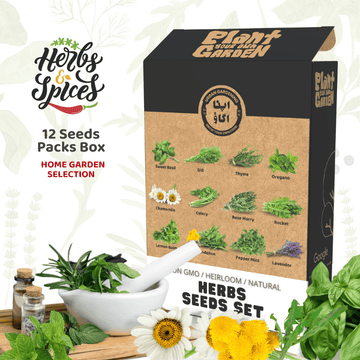
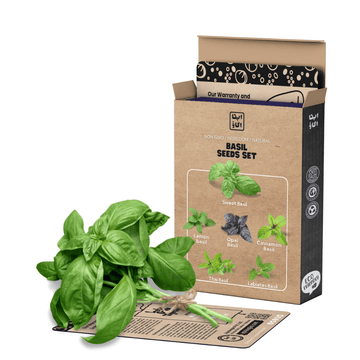
- Basil, coriander, mint, and other herbs
- Brinjal in large containers
- Lettuce and spinach during cool weather
- Beans and cucumbers with secured trellises
- Seasonal flowers
Read the guides to starting seeds indoors and seed preparation.
Rooftop Gardening Tips
- Confirm roof load capacity with a qualified professional.
- Distribute weight and avoid concentrating heavy pots.
- Keep drains and walking paths clear.
- Use lightweight growing media rather than field soil alone.
- Secure trellises, shade cloth, and hanging items against wind.
- Water according to soil moisture and weather.
- Use mulch and afternoon shade during extreme heat.
Common Challenges
| Challenge | Response |
|---|---|
| Wind | Secure supports and group stable containers without blocking airflow |
| Drainage | Raise pots slightly and keep outlets open |
| Pests | Identify the problem and use barriers or labelled treatments when needed |
| Summer heat | Water early, mulch, and provide suitable shade |
Frequently Asked Questions
Can tenants create a rooftop garden?
Only with the owner’s permission and after confirming access, structure, drainage, and building rules.
Does rooftop gardening damage the roof?
It can if waterproofing, drainage, or weight is ignored. Containers should never be placed without assessing these risks.
Can ordinary garden soil be used?
Field soil alone is usually too heavy and compact for rooftop containers. Use a lightweight, well-drained mix.
Can composting be done on a roof?
Yes, in a covered, secure system that does not leak, smell, attract pests, or overload the roof.
Conclusion
Start with a few lightweight containers and expand only after the roof, drainage, wind protection, and care routine have been tested safely.