

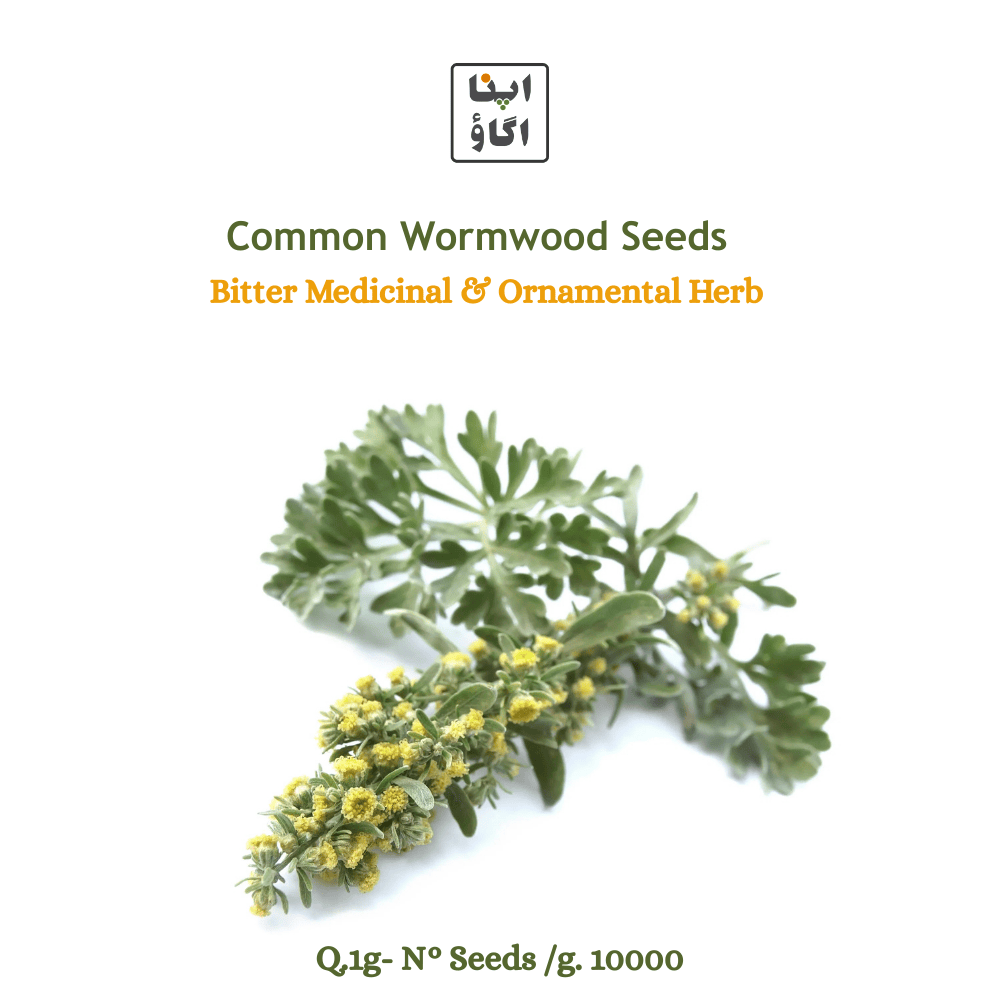


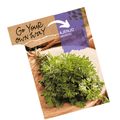
Common Wormwood Seeds – Bitter Medicinal & Ornamental Herb
Quantity: Approx: 1g Seeds ⓘ

We guarantee that our seeds & bulbs are true to type and ready to thrive in Pakistan's climate. Questions? Please Ask on WhatsApp: 0300-0300-699

Common Wormwood Seeds – Bitter Medicinal & Ornamental Herb
Shop Companion Plants


Common Wormwood Seeds – Bitter Medicinal & Ornamental Herb
Features
Surface sow at 15—22°C. Space 18—24 inches in well-drained soil. Full sun. Extremely drought-tolerant.
How To Grow
View our Planting Guides for More info
IMPORTED PACK:
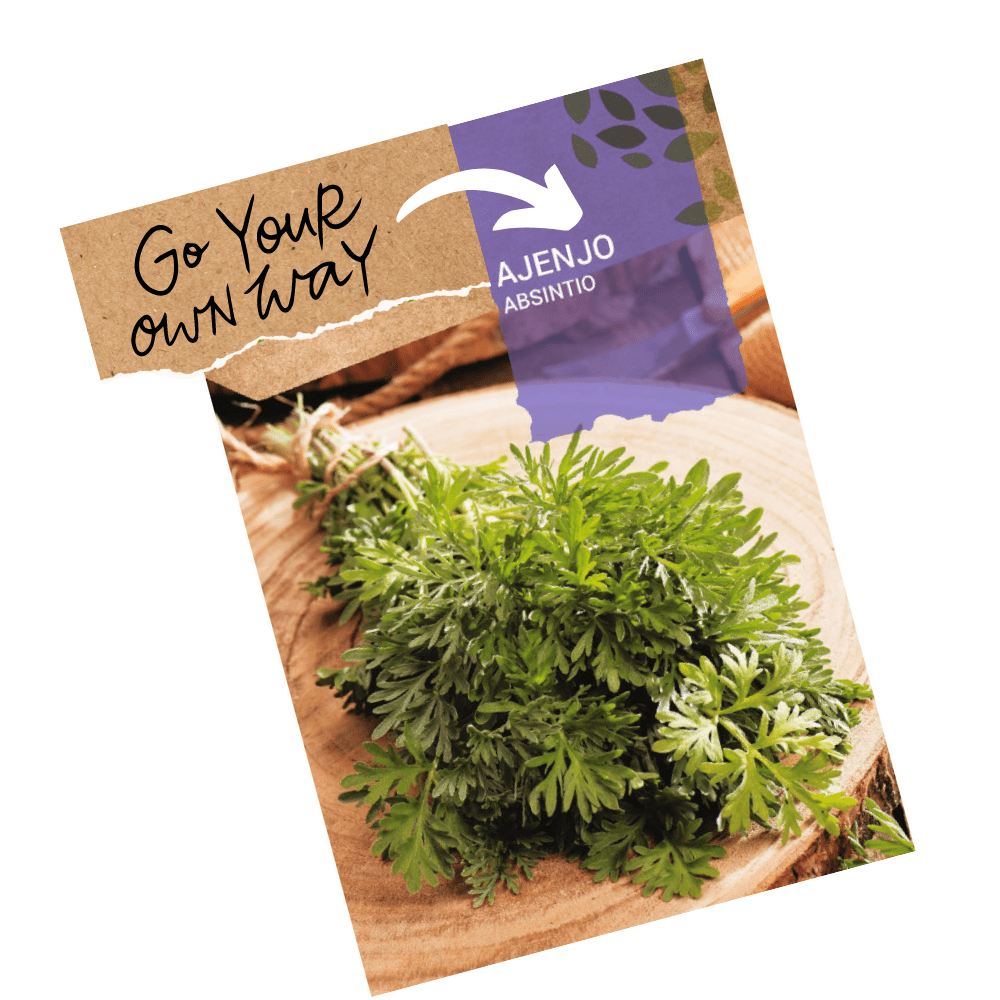
Embrace the bold, silvery beauty of Common Wormwood (Artemisia absinthium)—a legendary herb known for its strong aromatic oils, bitter tonic properties, and natural pest-repelling power.
Grow a Historic Healer & Striking Foliage Plant!
Wormwood is a hardy perennial herb with finely cut, silver-gray leaves and tall flowering stems. Traditionally used in herbal tonics and absinthe, it is valued in companion planting for deterring pests like moths and aphids. Its foliage adds texture and contrast to herb borders and wild gardens.
Product Features:
Seed Type: Open-Pollinated, Non-GMO
Seed Quantity: Approximately 1 g per packet
Germination Rate: 70–85%
Germination Time: 10–21 days (surface-sow; light required)
Plant Height: 90–150 cm tall
Flavor & Aroma: Very bitter; pungent, medicinally sharp scent
Usage: Bitter tonics, pest repellent, ornamental border plant
Packaging: Eco-friendly, resealable pouch
Growing Conditions (Pakistan):
Sowing Season (Nursery or Direct): October to March
Transplanting: 4–6 weeks after sowing, when seedlings are 10–15 cm tall
Temperature Range: 10 °C – 28 °C
Sunlight: Full sun (5–8 hours daily)
Watering: Low to moderate—allow soil to dry between waterings
Soil: Well-drained, sandy or rocky soil; pH 6.0–7.5
Spacing: 30–50 cm between plants
Why Grow Common Wormwood?
Natural pest repellent: wards off moths, fleas, and aphids
Traditional herbal uses: digestive bitters, tonics, and vermifuges
Striking foliage: silver leaves add texture and contrast
Drought-tolerant: thrives in poor soils and dry climates
Pollinator-friendly: yellow-green flowers attract beneficial insects