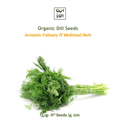
Organic Dill ( Soya ) Seeds – Culinary & Medicinal Herb
Quantity: Approx: 0.5g Seeds ⓘ

We guarantee that our seeds & bulbs are true to type and ready to thrive in Pakistan's climate. Questions? Please Ask on WhatsApp: 0300-0300-699
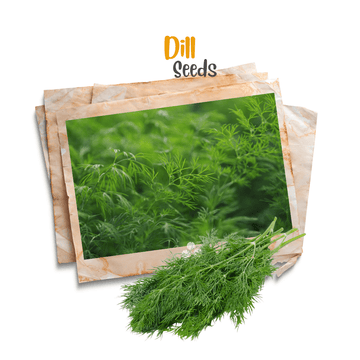
Organic Dill ( Soya ) Seeds – Culinary & Medicinal Herb
Shop Companion Plants


Organic Dill ( Soya ) Seeds – Culinary & Medicinal Herb
Features
Direct sow only — taproot resents transplanting. Sow 1/4 inch deep in cool soil. Thin to 8–12 inches. Successive sowing every 3 weeks.
How To Grow
View our Planting Guides for More info
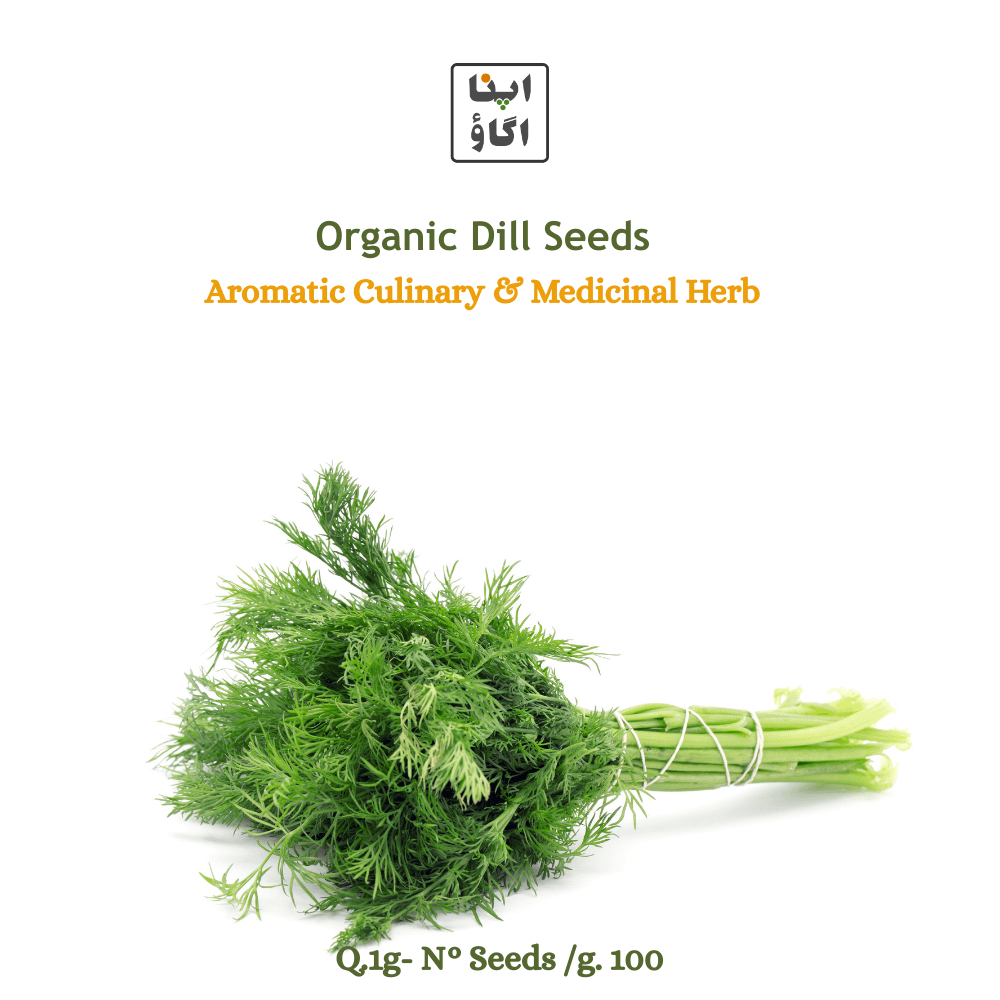
Enjoy the fresh, tangy flavor and feathery elegance of Organic Dill (Anethum graveolens)—a dual-purpose herb grown for both its leaves (dill weed) and seeds.
Grow Dill for Pickling, Cooking, and Pollinator Power!
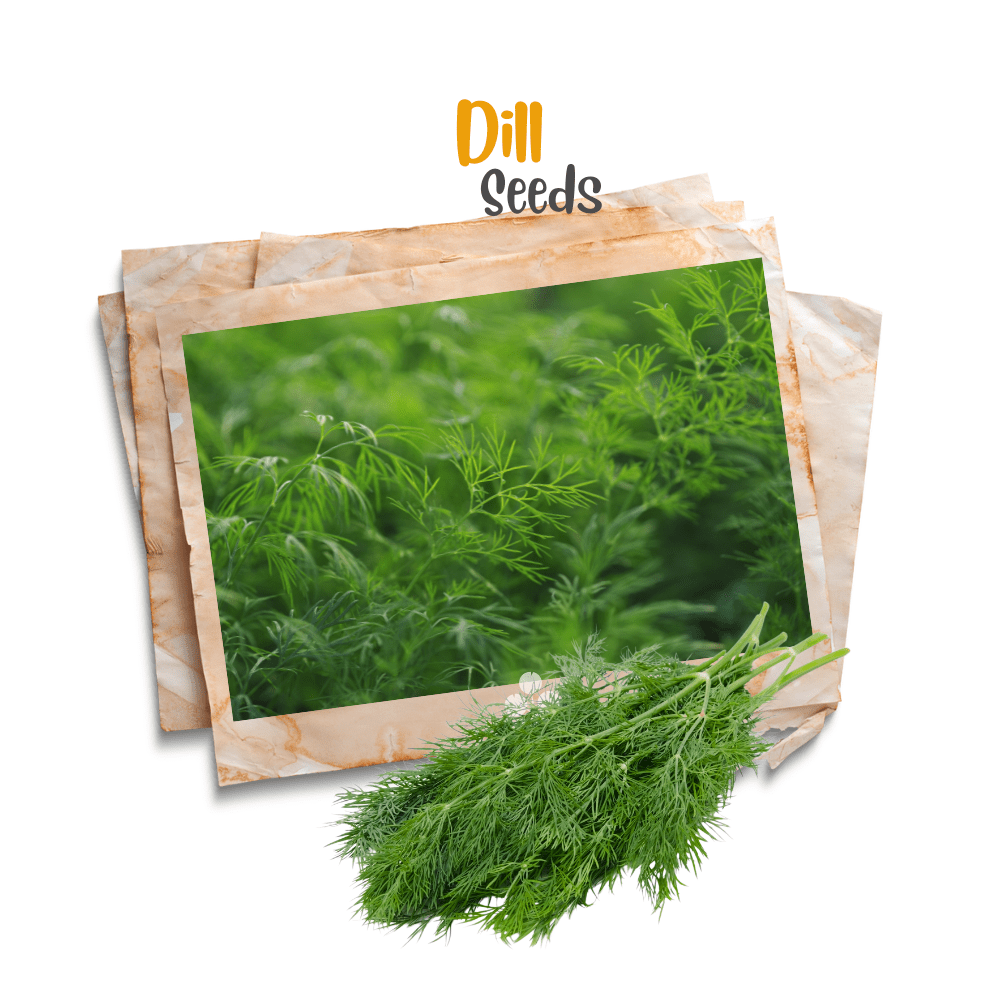
Dill is a cool-season annual that produces tall, delicate plants with fern-like leaves and umbrella-shaped yellow flowers. Use fresh dill leaves in salads, sauces, fish, and pickles—or let the plant go to seed for harvestable spice. Its blooms also attract bees, butterflies, and beneficial predatory insects.
Product Features:
Seed Type: Certified Organic, Open-Pollinated, Non-GMO
Seed Quantity: Approximately 0.5 g per packet
Germination Rate: 80–90%
Germination Time: 7–14 days
Uses: Fresh leaves (dill weed), dried seed (spice), and flower umbels (pickling)
Plant Height: 60–100 cm tall
Flavor Profile: Fresh, citrusy with a hint of anise
Packaging: Eco-friendly, resealable pouch
🌡️ Growing Conditions (Pakistan):
Sowing Season (Direct): October–December or February–March
Temperature Range: 10 °C – 25 °C
Sunlight: Full sun (6+ hours daily)
Watering: Light to moderate—keep soil moist but well-drained
Soil: Rich, loose, well-drained loamy soil with compost; pH 6.0–7.0
Spacing: 20–30 cm between plants in rows 30–40 cm apart
Harvest: Leaves at 40–50 days; seeds at 90–100 days
Why Grow Dill?
Fresh or dried: use leaves, seeds, and flowers for pickling and cooking
Pollinator-friendly: flowers attract bees, lacewings & ladybugs
Fast-growing: ready to harvest in just 6–8 weeks
Easy to grow: perfect for raised beds, garden rows, or containers
Medicinal value: traditionally used for digestion and colic