Kitchen Gardening in Pakistan: Practical Tricks & Hacks

A successful kitchen garden does not depend on expensive equipment or complicated shortcuts. The most useful gardening hacks are simple methods that save space, reduce water waste, protect plants from Pakistan’s weather, and make daily care easier.
Whether you grow vegetables on a rooftop in Lahore, herbs on a balcony in Karachi, or seasonal crops in a courtyard in Islamabad, the following practical ideas can help you build a healthier and more productive home garden.
Table of Contents
- Plant According to the Season
- Choose Better Containers
- Improve the Growing Medium
- Start Seeds More Successfully
- Water More Effectively
- Use Small Spaces Efficiently
- Simplify Plant Care
- Protect Plants from Local Weather
- Avoid Misleading Gardening Hacks
- Frequently Asked Questions
1. Plant According to the Season
The easiest way to improve gardening success is to grow crops when local temperatures suit them. Seasonal plants usually establish faster and need less protection than crops forced to grow in unsuitable weather.
- Warm-season crops: Okra, cucumber, gourds, brinjal, chillies, beans, pumpkin, and tinda
- Cool-season crops: Spinach, coriander, fenugreek, radish, carrot, peas, lettuce, cabbage, cauliflower, broccoli, and beetroot
Use the month only as a starting point. Current temperature, nighttime conditions, rainfall, and your city’s climate are more important.
2. Match the Container to the Crop
Select the final pot according to the mature plant rather than the size of a young seedling. Small containers dry quickly and can restrict roots.
- Shallow containers: Coriander, fenugreek, lettuce, and microgreens
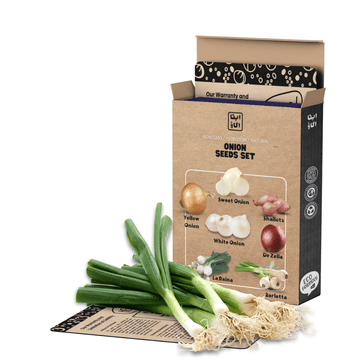
- Medium containers: Spinach, radish, herbs, and spring onions
- Large pots or grow bags: Tomatoes, chillies, brinjal, cucumbers, and gourds
Every container should have open drainage holes. Avoid crowding several large fruiting plants into one small pot.
3. Reuse Containers Safely
Food-safe buckets, yoghurt cups, bottles, and crates can become useful planters after proper cleaning.
- Add enough drainage holes.
- Choose a size suitable for the crop’s roots.
- Avoid containers that previously held paint, fuel, cleaners, or industrial materials.
- Protect thin plastic from intense rooftop heat where necessary.
4. Use a Balanced Potting Mix
Ordinary field soil can become hard and poorly drained inside containers. A useful growing medium should retain enough moisture while allowing air to reach the roots.
A practical starting mix may contain potting mix, compost or vermicompost, coco peat, and an aeration material such as perlite. Adjust the blend according to the crop, weather, container size, and watering routine.
Explore BIOGRO Organic Potting Mix or read the complete guide to potting and soil media.
5. Moisten the Mix Before Sowing
Moisten the seed-starting medium before filling the tray. This prevents small seeds from floating away or becoming buried too deeply during the first watering.
- Add water gradually and mix it evenly.
- Stop when the medium feels moist but not dripping.
- Fill the tray without pressing the mix into a hard layer.
- Sow each seed at the depth stated on its packet.
6. Bottom-Water Young Seedlings
Place a seedling tray with drainage holes inside a shallow tray containing a small amount of water. Allow the medium to absorb moisture from below, then remove any water that remains.
This method reduces seed displacement and keeps delicate stems and leaves drier. Do not leave trays permanently standing in water.
7. Label Every Variety
Many seedlings look similar during their first weeks. Record the crop, variety, sowing date, and expected germination period on a plant label.
Labelling prevents confusion and helps you identify which varieties perform best in your home.
8. Sow Small Batches at Intervals
Instead of sowing all coriander, lettuce, radish, or spinach on one day, plant smaller batches every one to three weeks during the suitable season. This succession-sowing method can provide a steadier harvest and reduce waste.
9. Check the Soil Before Watering
A fixed daily schedule does not suit every plant. Check moisture below the surface before watering. Container size, temperature, wind, humidity, crop type, and growth stage all affect how quickly soil dries.
When water is needed, apply it slowly until excess moisture begins leaving the drainage holes.
10. Water During the Cooler Part of the Morning
Morning watering gives roots access to moisture before daytime heat increases evaporation. Direct water toward the soil rather than repeatedly soaking the leaves.
During severe summer heat, small pots may require another moisture check later in the day.
11. Apply Mulch After Seedlings Establish
Cover the soil around established plants with a light layer of clean, dry leaves, straw, or another suitable organic mulch.
Mulch helps slow water loss, reduce weeds, protect the soil surface, and limit sudden temperature changes. Keep it slightly away from young stems.
12. Grow Climbing Vegetables Vertically
Cucumbers, beans, peas, bitter gourds, bottle gourds, and other vines can be trained on a strong trellis. Vertical growing saves floor space, improves airflow, and keeps some fruit away from wet soil.
Install supports before vines become large. On balconies and rooftops, secure every structure against strong wind.
13. Group Plants with Similar Needs
Place plants that need similar sunlight and moisture close together. This makes watering easier and prevents a dry-loving herb from being overwatered beside a moisture-loving vegetable.
When combining plants in one container, consider their mature size, root depth, and growth rate.
14. Harvest Herbs to Encourage New Growth
Regular harvesting keeps many herbs compact and productive. For basil and mint, cut stems just above a pair of healthy leaves to encourage branching.
Do not remove too much foliage from newly transplanted, weak, or heat-stressed plants.
15. Compost Kitchen Scraps Before Using Them
Suitable fruit and vegetable scraps, tea leaves, dry leaves, untreated cardboard, and plant trimmings can become useful compost after proper decomposition.
Do not bury large amounts of fresh kitchen waste directly beside plant roots. Fresh material may smell, attract pests, and disturb the root zone while decomposing.
Use finished compost that is dark, crumbly, and earthy-smelling. Read the home vermicomposting guide.
16. Inspect Leaves Every Week
Many garden problems begin beneath the leaves. Check both sides for insects, eggs, spots, webbing, or unusual colour changes.
- Identify the problem before treating it.
- Remove badly affected material where appropriate.
- Improve spacing and airflow.
- Use barriers, hand removal, or a suitable labelled garden treatment only when necessary.
Browse plant pest and disease solutions.
17. Protect Plants from Extreme Summer Heat
- Provide light afternoon shade to sensitive plants.
- Raise containers from extremely hot concrete.
- Group pots without blocking airflow.
- Use mulch to reduce rapid drying.
- Check small containers more frequently.
18. Prepare Containers for the Monsoon
- Keep drainage holes and rooftop outlets open.
- Raise pots slightly on stable supports.
- Move delicate plants under a bright shelter during severe rain.
- Reduce watering according to rainfall.
- Remove damaged leaves and maintain airflow.
19. Harden Seedlings Before Transplanting
Seedlings raised indoors or under protection should be introduced gradually to outdoor sun, wind, and temperature changes.
- Begin in a shaded, sheltered outdoor position.
- Increase exposure over approximately one week or longer.
- Protect seedlings from harsh afternoon sun, heavy rain, and cold nights.
- Transplant during a mild morning or evening.
Read the full guide to starting seeds indoors in Pakistan.
20. Keep Simple Garden Records
Write down sowing dates, varieties, weather, feeding, pest problems, and harvest results. After one season, these notes become a personalised gardening calendar for your own location.
Gardening Hacks to Avoid
Many popular online hacks recommend adding untreated household waste or untested mixtures directly to plants. These shortcuts can cause poor drainage, salt build-up, root damage, bad odours, or pest problems.
- Do not assume every kitchen scrap is an instant fertiliser.
- Do not add supplements unless the plant or soil actually needs them.
- Do not replace correct drainage with emergency root treatments.
- Do not use household weed remedies close to edible crops.
- Do not use cold objects as a substitute for thorough watering.
- Do not apply homemade liquid feeds to edible leaves unless their preparation and safety are reliable.
The most dependable approach is healthy soil, appropriate compost, correct watering, seasonal planting, and regular observation.
Quick Seasonal Crop Guide
| Season | Suitable Crops | Main Care Focus |
|---|---|---|
| Cool season | Spinach, coriander, fenugreek, lettuce, radish, carrot, peas, cabbage, cauliflower, and broccoli | Strong sunlight, careful watering, and frost protection where needed |
| Warm season | Okra, brinjal, chillies, cucumber, beans, gourds, pumpkin, and tinda | Consistent moisture, mulch, trellising, and heat management |
| Monsoon window | Selected locally suitable warm-season crops | Drainage, airflow, rain protection, and disease monitoring |
For a complete introduction, read Kitchen Gardening in Pakistan: Complete Beginner’s Guide.
Frequently Asked Questions
What is the most useful kitchen-gardening hack for beginners?
Plant seasonal crops in correctly sized containers with reliable drainage. This prevents many common problems before they begin.
How can I save water in a container garden?
Check the soil before watering, use sufficiently large containers, add mulch after seedlings establish, and water during the cooler part of the morning.
Can household scraps be used as fertiliser?
Suitable organic scraps can be composted first. Fresh scraps do not provide a complete or immediate fertiliser and should not be placed directly beside roots.
Which crops are suitable for a small balcony?
Mint, basil, coriander, fenugreek, lettuce, radish, spring onions, compact chillies, and microgreens are practical choices when the light is suitable.
How can I reduce pest problems?
Inspect plants regularly, keep suitable spacing, remove small infestations early, and use targeted products only after identifying the problem.
Conclusion
The best kitchen-gardening hacks are small improvements in timing, soil, watering, spacing, observation, and weather protection.
Start with a few seasonal crops, use clean containers and a reliable growing medium, and expand after learning how plants respond to your location.
Explore Seeds | Shop Grow Bags | Shop Potting and Soil Media
Grow your own food and bring your own revolution with ApnaUgao.