Home Gardening in Pakistan: Beginner’s Guide from Seed to Harvest

Home gardening does not need a large lawn or years of experience. A rooftop, balcony, courtyard, sunny window, kitchen corner or a few well-chosen containers can be enough to start growing vegetables, herbs, flowers, microgreens and even selected fruit plants at home.
This complete beginner’s guide is adapted from ApnaUgao’s A Beginner’s Guide to Home Gardening and brings the full handbook into one practical article for gardeners in Pakistan. From choosing tools and soil to sowing seeds, feeding plants, controlling pests, growing microgreens and selecting summer or winter crops, this guide takes you from the first seed to harvest.
Table of Contents
- Benefits of Home Gardening
- Basic Gardening Essentials
- Where Can You Grow Plants at Home?
- What Can Be Grown at Home?
- Easy Method for Starting a Home Garden
- Common Home Gardening Mistakes
- Stages of Plant Growth
- Using Fertilizers Through the Growth Cycle
- Pest and Disease Control
- Weekly Garden Care Checklist
- Common Gardening Terms
- Sprouts, Microgreens and Baby Leaves
- Kharif / Summer Season Crops
- Rabi / Winter Season Crops
- Start Small and Keep Going
1. Benefits of Home Gardening — گھر میں باغبانی کے فوائد
Home gardening gives you more than a few pots of greenery. It can become a useful, healthy and enjoyable part of everyday life.
- Fresh and healthy vegetables: You can grow vegetables, herbs and spices under your own care.
- Mental peace and a positive activity: Looking after plants creates a calm, purposeful routine.
- An eco-friendly lifestyle: Gardening encourages a closer connection with natural growing cycles.
- Children connect with nature: Home gardening gives children a simple way to observe seeds, roots, leaves, flowers and fruit.
- Beautiful flowers: Flowers add colour, fragrance and visual interest to the home.
- Useful herbs and spices: Culinary and medicinal herbs can be kept close to the kitchen for regular use.
- Better water awareness: Caring for containers teaches you to check soil moisture and water according to need rather than habit.
- Light physical activity: Watering, pruning, loosening soil and moving containers all add gentle movement to the day.
- Lower household spending: Growing some vegetables, herbs and spices at home can reduce the need to buy small quantities repeatedly.
- Self-reliance and confidence: Raising food from seed to harvest gives a strong sense of achievement.
- A greener, more attractive home: Healthy foliage and flowers can make balconies, rooftops, courtyards and indoor spaces feel more inviting.
2. Basic Gardening Essentials — باغبانی کے بنیادی لوازمات
You do not need every gardening product on day one. Start with the basics and expand your setup as your garden grows. If you are starting from scratch, ApnaUgao’s Beginner Gardening and Garden Supplies collections can help you organise the essentials.
Seeds or healthy seedlings
Choose seeds or seedlings according to the season, space and type of garden you want. Home gardeners can grow vegetables, herbs, flowers, fruits, microgreens and many ornamental plants.
Good soil or growing media
Healthy roots need a suitable growing medium. Depending on the plant and container, common options include potting mix, peat moss, coco peat, vermicompost and sweet soil. Explore Potting and Soil Media if you need ready growing media.
Pots, containers and growing spaces
Seedling trays, seedling pots, grow bags and planting beds can all work well. The key is to match the container size to the plant and ensure excess water can drain. For flexible container gardening, Grow Bags are especially useful on rooftops and balconies.
Fertilizer or compost
Plants need balanced nutrition as they move through different growth stages. The guide uses examples such as NPK fertilizers, vermicompost, bone meal, slow-release fertilizer and other bio-fertilizers. See Gardening Fertilizers & Nutrients for available options.
Basic gardening tools
Useful tools include a hoe, shovel, hand trowel, pruner, rake, watering can, garden hose, sprayer, gloves and plant tags. You can build your toolkit gradually through the Garden Tools collection.
Pest and disease control
Keep simple control options available before a problem becomes severe. Depending on the issue, these may include insecticides, pesticides, fungicides and biological controls for bacterial or viral diseases. ApnaUgao also has a dedicated Pest & Disease Control collection.
3. Where Can You Grow Plants at Home?
One of the biggest myths about gardening is that you need a large garden. In reality, many parts of a Pakistani home can become productive growing spaces when light, airflow, watering and plant choice are considered.
- Rooftop: Excellent for vegetables, flowers and herbs where adequate sunlight is available.
- Balcony: Suitable for pots, railing planters and hanging plants.
- Courtyard: Often receives useful natural light and airflow and can support many types of plants.
- Near a window: A practical place for smaller plants, herbs and ornamentals when the window receives enough light.
- Near stairs: Can be used for plants that tolerate lower light, depending on the exact location.
- Along walls: Ideal for climbers, vines and hanging plants, especially where a trellis or other support can be added.
- Near the kitchen: Keep frequently used plants such as mint, coriander and green chilli within easy reach.
- Drawing room or lounge: Indoor plants such as snake plant and money plant can add greenery indoors.
- Home green belt: Suitable for trees, hedges and flowering vines where space is available.
4. What Can Be Grown at Home?
Your garden can be as focused or as mixed as you like. The handbook groups home-growing options into several useful categories:
- Vegetables: Fresh vegetables whose care stays in your own hands.
- Herbs: Useful for everyday health, cooking and traditional household use.
- Flowers: For colour, fragrance and a more cheerful home garden. Browse Flower Seeds.
- Spice plants: Plants that add flavour and aroma to home cooking.
- Fruit plants: Selected fruiting plants can be grown even where space is limited, provided the plant and container are suitable.
- Indoor plants: For greenery and freshness inside the home.
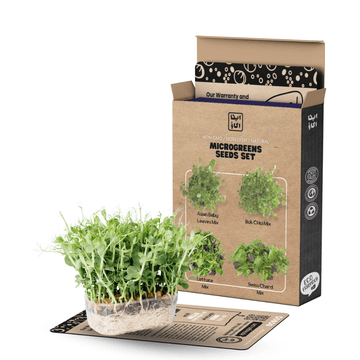
- Microgreens: Fast-growing young greens that fit into small spaces. See Microgreens Seeds.
- Hanging plants: A good way to use vertical space and add visual interest.
- Climbers and vines: Useful for walls, railings, trellises and rooftop structures.
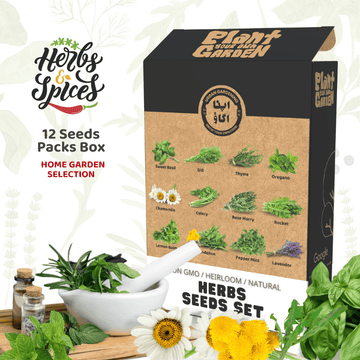
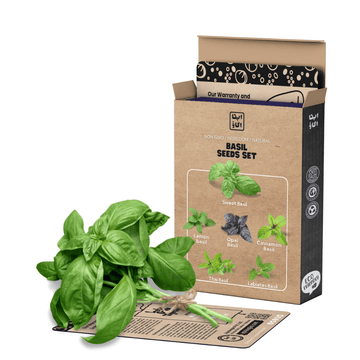
If culinary plants are your priority, the Herbs Seeds collection is a useful place to begin.
5. Easy Method for Starting a Home Garden
Successful gardening becomes much easier when you follow the plant’s needs in the right order instead of trying to solve problems later.
- Choose the right seeds or plants. Select easy plants that suit your season and growing space.
- Prepare the soil and container. Use a good-quality growing medium and a pot or grow bag with proper drainage.
- Sow at the correct depth. Plant seeds at the appropriate depth or use healthy seedlings where suitable.
- Provide enough light. As a general beginner guideline in the handbook, give plants around 4–6 hours of sunlight daily where the crop requires it. Some plants need more or less, so observe the crop and location.
- Water according to need. Check moisture and avoid giving excess water simply because watering is part of your routine.
- Feed according to growth stage. A seedling, a leafy plant and a flowering or fruiting plant do not have identical nutritional priorities.
- Keep an eye on pests. Inspect leaves, stems and new growth regularly.
- Prune and support where needed. Remove weak or unwanted growth and provide support to climbing plants and tall stems.
- Transplant carefully. Move seedlings or small plants to larger pots or beds without unnecessarily disturbing roots.
- Be patient. A healthy plant needs time to build roots, leaves, flowers and fruit.
6. Common Home Gardening Mistakes to Avoid
Many beginner problems come from a small number of repeated mistakes. Correcting these early can save an entire crop.
- Overwatering: Constantly wet soil can damage roots and may lead to root rot.
- Too little sunlight: Plants may become weak or fail to develop properly when their light requirement is not met.
- Too much fertilizer: Excess fertilizer can burn roots and damage leaves.
- Poor drainage: Water collecting in the pot can harm the root system.
- Wrong soil: An unsuitable medium may not provide the drainage, structure or nutrition a plant needs.
- No pruning: Plants that need pruning can become weak or untidy when dead and unwanted growth is never removed.
- Overcrowding: Plants grown too close together can compete for light, airflow, water and nutrients.
- Ignoring insects: A small pest problem can spread to leaves and branches if it is never checked.
- Planting in the wrong season: Seeds can fail when temperature and seasonal conditions are unsuitable.
7. Stages of Plant Growth: From Seed to Seed Again
Understanding the plant life cycle helps you make better decisions about watering, feeding, transplanting and harvesting.
- Seed stage: The seed is placed in the growing medium to begin the process.
- Germination (اُگاؤ): A tiny root and shoot emerge from the seed.
- Seedling stage: The young plant begins its early growth and becomes stronger.
- Vegetative or green growth: Leaves and stems expand and the plant builds strength.
- Flowering: Buds appear and the plant begins producing flowers.
- Fruit stage: Where applicable, flowers develop into fruit.
- Harvest: The crop, leaves or fruit become ready to pick.
- Seed collection: Healthy mature seed can be collected and stored from suitable plants for a future crop.
8. Using Fertilizers Through the Growth Cycle
The handbook recommends thinking about fertilizer according to the plant’s stage rather than applying the same feed throughout the entire season.
| Growth Stage | Nutrition Mentioned in the Guide | Main Point |
|---|---|---|
| Seed stage | Phosphorus (P), bone meal, smart/slow-release fertilizer | Heavy feeding is not required at this early stage. |
| Germination | Phosphorus, micronutrients, seaweed extract | Phosphorus is highlighted as important as the seed begins to emerge. |
| Seedling stage | Light nitrogen (N), vermicompost, micronutrients | Young plants need gentle nutrition rather than heavy feeding. |
| Vegetative growth | Nitrogen, vermicompost, smart-release fertilizer | Leaf and stem development becomes the main growth activity. |
| Flowering | Phosphorus (P), potassium (K), bone meal | Phosphorus and potassium are emphasized for flowering. |
| Fruit stage | Potassium, micronutrients, seaweed extract | Nutrition is aimed at supporting fruit development, size and quality. |
| After harvest | Vermicompost, organic compost | Restore and refresh the growing medium after cropping. |
| Seed collection stage | Potassium, micronutrients | Prepare the plant and soil for a strong finish and the next growing cycle. |
Important fertilizer precautions:
- Always use fertilizer in the recommended quantity.
- More fertilizer is not automatically better; excess can damage plants.
- Match the fertilizer to the plant, growth stage and instructions printed on the product.
- The handbook notes that combining chemical fertilizer with organic nutrition can be useful when done appropriately.
9. Pest and Disease Control in Home Gardening
Early inspection and timely treatment are easier than trying to rescue a heavily affected plant. The guide suggests the following simple responses for common home-garden problems:
| Problem | Suggested Response |
|---|---|
| Aphids | Use neem oil or a soapy-water spray. |
| Whitefly | Use yellow sticky traps and neem oil. |
| Spider mites | Use a light water spray on leaves and neem oil. |
| Fungus / rot | Use an appropriate fungicide or biological control. |
| Leaf curling or yellowing | Review watering and micronutrient needs. |
| Root rot | Improve drainage and remove badly affected roots. |
| Caterpillars | Hand-pick where practical or use a suitable natural bio-spray. |
| Disease spread | Separate affected plants and keep the area clean. |
| Leaf spots | Remove affected leaves and use an appropriate fungicide when required. |
When using any commercial treatment, follow its label directions and choose the product according to the actual pest or disease rather than spraying randomly.
10. Weekly Garden Care Checklist
A garden does not need constant interference, but it does benefit from regular observation. Once a week, walk through your plants and check the following:
- Weather protection: Protect plants from excessive heat, cold, heavy rain or strong wind when necessary.
- Soil moisture: Touch or inspect the soil and water according to need.
- Dry and yellow leaves: Remove damaged foliage and keep plants clean.
- Pests and eggs: Check both the top and underside of leaves.
- Disease symptoms: Look for spots, fungal growth, wilting or unusual colour.
- Light hoeing: Gently loosen the top layer of soil where appropriate so air and water can move through it more easily.
- Weeds: Remove unwanted plants growing around your crop.
- New growth: Observe new shoots, leaves, flowers and fruit to judge plant progress.
- Fertilizer need: Decide whether the plant actually needs compost or fertilizer before adding it.
- Support: Check ties and supports on vines and tall plants.
- Drainage: Make sure water is not collecting in pots.
- Pruning and cleaning: Remove weak, damaged or disorderly growth where needed.
11. Common Gardening Terms Every Beginner Should Know
- Seeds
- The starting material from which a new plant grows.
- Seedling
- A young plant that has recently emerged from seed.
- Soil
- The growing medium in which roots establish and obtain water and nutrients.
- Pot
- A container used to grow a plant.
- Fertilizer
- Additional nutrition supplied to support plant growth.
- Watering / Irrigation
- Supplying water to plants.
- Sunlight
- The light plants use for healthy growth.
- Drainage
- The movement of excess water out of the growing medium.
- Repotting
- Moving a plant from one pot into another.
- Pruning
- Removing unwanted, excess, weak or damaged plant parts.
- Potting mix
- A prepared combination of growing-media ingredients used for container plants.
- Coco peat
- A coconut-based growing medium that helps retain moisture.
- Organic fertilizer
- Plant nutrition derived from natural sources such as manure or compost.
- Compost
- Decomposed plant and organic material used to enrich the growing medium.
- Growth
- The process by which a plant develops.
- Germination
- The stage when a new plant begins emerging from a seed.
- Branch
- A plant part that grows from the main stem.
- Stem
- The main supporting structure for leaves and branches.
- Root
- The usually underground part that absorbs water and nutrients.
- Leaves
- The green plant parts that help produce food for the plant.
- Flower
- The reproductive part of many plants and often the most decorative part.
- Fruit
- The structure that develops from a flower and contains seed.
- Bud
- An early developing flower or leaf.
- Shade
- A location receiving limited direct sun.
- Full sun
- In the handbook, around 6–8 hours of direct sunlight per day.
- Partial sun
- In the handbook, around 3–6 hours of sunlight per day.
- Moisture
- The amount of water present in the soil or growing medium.
- Pests
- Organisms, especially insects, that can damage plants.
- Disease
- A plant health problem such as fungal or viral disease.
- Mulch
- A layer such as leaves or straw placed over the soil to help retain moisture.
12. Sprouts, Microgreens and Baby Leaves: What Is the Difference?
These three are all young stages of edible plants, but they differ in growing time, method and the part you eat.
Sprouts
Sprouts are the earliest edible stage. Seeds are soaked and, within a few days, a tiny root and stem emerge.
- Ready in: about 2–5 days
- Growing medium: no soil required; they can be grown with water
- Edible part: seed, root and stem
- Examples in the guide: mung bean, chickpea and lentil
- Uses: salads, sandwiches and everyday healthy foods
Microgreens
Microgreens are one step beyond sprouts. The young plant has developed its first leaves and is harvested above the growing medium.
- Ready in: about 7–21 days
- Growing medium: soil or coco peat
- Edible part: stem and leaves
- Examples in the guide: sunflower, radish, mustard and broccoli
- Uses: salads, garnishes and everyday meals
Baby leaves
Baby leaves are harvested later, before the plant reaches full maturity. They are larger than microgreens and can provide a bigger volume of greens.
- Ready in: about 15–30 days
- Growing medium: soil or potting mix
- Edible part: tender leaves
- Examples in the guide: spinach, lettuce and mustard
- Uses: salads and everyday cooking
| Type | Typical Time | How It Is Grown | What You Eat |
|---|---|---|---|
| Sprouts | 2–5 days | Sprouting jar or tray, with water | Whole sprout |
| Microgreens | 7–21 days | Soil or coco peat | Stem and leaves |
| Baby leaves | 15–30 days | Soil or potting mix | Tender leaves |
Which is easiest for a beginner? The handbook suggests starting with sprouts if you want the simplest method, choosing microgreens if you want a more developed young green with stronger flavour, and growing baby leaves when you want a larger quantity of leafy greens. It particularly highlights microgreens as a practical home-growing option because they need little space and relatively little time.
13. Kharif / Summer Season Crops for Home Gardening in Pakistan
The handbook gives a broad summer sowing window of January/February to March/April. This is a general guide only: the correct sowing time can vary across Pakistan according to region, temperature and local weather.
Summer vegetables
Tomato, green chilli, capsicum, brinjal/eggplant, okra, cucumber, bottle gourd, ridge gourd, bitter gourd, pumpkin, chachinda, sponge gourd, snake gourd, cowpea/lobia, French beans, guar, peanuts on a home scale, maize on a small scale and sweet corn.
Summer herbs
Mint, basil/tulsi, coriander, curry leaf, aloe vera, ashwagandha, lemongrass, fennel, aromatic herbs, rosemary and lavender in suitable/partial conditions.
Summer flowers
Balsam (including Tom Thumb balsam), cosmos, portulaca/rose moss, rudbeckia, gaillardia, zinnia, sunflower, cockscomb/celosia cristata, celosia plumosa, gomphrena, morning glory, moonflower and Mirabilis jalapa (Gul Abbasi).
Perennial or shrubby flowering plants for warm conditions
Rose, oleander, bougainvillea and hibiscus.
Summer fruits
Melon, watermelon, lemon, papaya, fig, pomegranate and grapes.
For warm-season planting ideas, browse Plant in Summer and Monsoon Season Vegetables & Herbs.
14. Rabi / Winter Season Crops for Home Gardening in Pakistan
For cool-season crops, the handbook gives a broad sowing window of August/September to November/December. Again, exact timing varies by area, temperature and local weather, so gardeners should adjust according to their own location.
Winter vegetables
Spinach, fenugreek/methi, mustard greens, lettuce, salad leaves, cabbage, cauliflower, Chinese cabbage, peas, carrot, radish, turnip, beetroot, onion, garlic, green garlic, turnip greens, spinach beet, parsley, coriander, celery leaves, fennel leaves and asparagus on a limited scale.
Winter herbs
Coriander, mint, parsley, celery/ajwain, fennel, cumin on a limited scale, kalonji, ispaghol, fenugreek as a herb, green garlic, green onion leaves, basil in partial/suitable conditions, thyme, rosemary, sage, oregano, lemon balm and chamomile.
Winter flowers
Bellis/Bellis daisy, carnation, mesembryanthemum/ice plant, pansy and viola, phlox, dahlia, poppy, osteospermum/African daisy, petunia, French marigold, African marigold, aster, dianthus/Sweet William, stock, sweet pea, nasturtium, calendula/pot marigold, nemesia, linaria/toadflax, lupin, larkspur/delphinium and dimorphotheca.
Perennial or shrubby flowering plants in the cool season
Rose, chambeli/jasmine, motia, oleander, bougainvillea, hibiscus in milder areas and lavender.
Winter fruits
Strawberry, kinnow, malta, orange, mosambi, grapefruit, lemon, kagzi lemon, apple, pear, peach, plum, apricot, fig, pomegranate and loquat.
For seasonal options, explore Plant in Winter, plus dedicated flower groups such as Asters & Cornflowers, Pansies & Violas, Petunia Flowers and Carnations & Dianthus.
Start Small, Learn from Your Plants and Keep Going
A productive home garden is built through regular attention rather than perfection. Begin with a few plants that suit your season and available light. Check moisture before watering, keep drainage open, feed according to growth stage, inspect leaves weekly and adjust as the weather changes.
With a little attention and consistency, even a small rooftop, balcony, courtyard or collection of pots can become a greener and healthier home garden.
Ready to begin? Explore ApnaUgao’s Beginner Gardening, Garden Kits, Herbs Seeds, Flower Seeds, Microgreens Seeds, Potting & Soil Media and Fertilizers & Nutrients to build your setup step by step.