Urban Gardening in Pakistan: Benefits, Ideas and Beginner’s Guide

Urban life in Pakistan is changing rapidly. Houses are becoming smaller, open land is limited, food prices continue to affect household budgets, and many people feel increasingly disconnected from nature.
However, you do not need a large lawn or agricultural land to start growing plants.
A sunny balcony in Karachi, a rooftop in Lahore, a courtyard in Multan or even a bright windowsill in Islamabad can become a productive green space. With containers, grow bags, quality soil and suitable seeds, almost anyone can begin an urban garden at home.
Urban gardening is not simply about decorating a house with plants. It can provide fresh ingredients, encourage healthier habits, reduce household waste and create a peaceful connection with nature.
Table of Contents
- What Is Urban Gardening?
- Why Urban Gardening Is Growing in Pakistan
- Major Benefits of Urban Gardening
- Best Spaces for an Urban Garden
- What Can You Grow in Pakistan?
- How to Start an Urban Garden
- Gardening Tips for Pakistan’s Climate
- Common Urban Gardening Challenges
- Frequently Asked Questions
- Conclusion
What Is Urban Gardening?
Urban gardening is the practice of growing vegetables, fruits, herbs, flowers or ornamental plants within a town or city.
Instead of depending on traditional farmland, urban gardeners use smaller and more creative spaces, including:
- Rooftops
- Balconies
- Terraces
- Courtyards
- Verandas
- Windowsills
- Boundary walls
- Community spaces
- Indoor areas with sufficient light
Plants may be grown in pots, recycled containers, raised beds, vertical systems, hanging baskets or fabric grow bags.
Urban gardening can be as simple as growing mint in a small pot or as advanced as developing a complete rooftop kitchen garden with seasonal vegetables, composting and drip irrigation.
Why Urban Gardening Is Growing in Pakistan
Interest in home and kitchen gardening is increasing in cities across Pakistan. More people now want access to fresh food, greener homes and productive hobbies.
Several local conditions are encouraging this change:
- Limited gardening space in urban homes
- Growing interest in healthy and fresh food
- Increasing household food expenses
- Greater awareness of sustainable living
- Easy availability of seeds, grow bags and garden supplies
- Increased interest in rooftop and balcony gardening
- The desire to reconnect children with plants and food production
Urban gardening gives families greater control over what they grow and which fertilizers or pest-control methods they use.
Major Benefits of Urban Gardening in Pakistan
1. Access to Fresh Vegetables and Herbs
One of the biggest benefits of urban gardening is convenient access to freshly harvested ingredients.
Leafy vegetables and herbs often begin losing freshness after harvesting and transportation. A home garden allows you to pick only what you need, directly before preparing a meal.
Commonly grown options include:
- Mint
- Coriander
- Fenugreek
- Spinach
- Lettuce
- Green chillies
- Tomatoes
- Spring onions
- Basil
- Curry leaves
Even a few containers can provide regular herbs and seasonal vegetables for the kitchen.
2. Greater Control Over How Food Is Grown
When growing food at home, you can choose the soil, seeds, fertilizers and pest-management methods used on your plants.
Home gardeners can rely on options such as:
- Organic compost
- Vermicompost
- Neem-based pest control
- Kitchen-waste compost
- Mulching
- Hand removal of pests
- Companion planting
Although home-grown food still requires proper hygiene and safe gardening practices, it gives families greater visibility and control over the growing process.
3. Productive Use of Small Spaces
Urban gardening turns unused household areas into productive spaces.
A blank rooftop can support grow bags. A balcony railing can hold hanging pots. A sunny wall can be used for a vertical herb garden. Windowsills can accommodate microgreens or small containers.
This flexibility makes gardening possible for apartment residents, tenants, homeowners without lawns, schools, offices, restaurants and small businesses.
The objective is not to have the largest garden. It is to use the available space intelligently.
4. Potential Savings on Kitchen Ingredients
An urban garden may help reduce spending on frequently used herbs and vegetables.
Mint, coriander, green chillies, spinach and other regularly consumed ingredients can be harvested several times when plants are maintained properly.
There may be an initial cost for seeds, soil, containers and tools, but many supplies can be reused across multiple growing seasons. Composting suitable kitchen scraps can also reduce the need to purchase as much soil-enriching material.
5. A Greener and More Pleasant Home
Plants can transform plain concrete spaces into attractive green areas.
Rooftops, balconies and courtyards often feel more inviting when they contain vegetables, flowers and climbing plants. Greenery can also provide limited shade and soften the appearance of walls, floors and railings.
For residents of crowded cities, even a small garden can create a refreshing personal space away from traffic, screens and daily noise.
6. Mental Well-Being and Stress Relief
Gardening provides a peaceful, hands-on activity that encourages people to slow down and focus on a simple routine.
Watering plants, observing new leaves and harvesting something you have grown can create a sense of progress and satisfaction.
A home garden may provide:
- A calming daily routine
- Time away from phones and screens
- A stronger connection with nature
- A sense of achievement
- Opportunities for quiet reflection
- A productive hobby for different age groups
Gardening should not be considered a replacement for professional medical care, but it can be a positive part of a balanced lifestyle.
7. Light Physical Activity
Gardening includes regular movement through watering, sowing, transplanting, pruning, mixing soil and harvesting.
These tasks can provide light physical activity while also keeping the gardener engaged in a meaningful project. Garden layouts should always be designed safely. Avoid lifting containers that are too heavy, keep walking spaces clear and use raised containers where bending is difficult.
8. Learning Opportunities for Children
An urban garden can become a small outdoor classroom.
Children can learn how seeds germinate, where food comes from, why plants need sunlight and water, how insects interact with plants, why seasons affect growth, how organic waste can become compost, and the value of patience and responsibility.
Allowing children to sow fast-growing seeds or maintain their own pot can make learning more practical and enjoyable.
9. Better Use of Household Organic Waste
Suitable fruit and vegetable scraps can be converted into compost instead of being thrown away.
Composting helps return organic matter to the soil and supports healthier plant growth. It can also encourage households to separate biodegradable material from other waste.
Common compost ingredients include fruit and vegetable peels, tea leaves, crushed eggshells, dry leaves, small amounts of untreated cardboard and plant trimmings.
Avoid adding meat, dairy products, oily food or diseased plant material to a basic home compost container.
10. Support for Pollinators and Urban Biodiversity
Flowers and herbs can provide food and shelter for beneficial insects.
Plants such as basil, sunflower, marigold, zinnia and cosmos may attract bees, butterflies and other pollinators when allowed to flower.
A diverse garden containing herbs, vegetables and flowering plants is generally more supportive of urban biodiversity than a space containing only one type of plant. Use pesticides carefully, as broad pesticide application may also harm beneficial insects.
11. Stronger Family and Community Connections
Gardening can bring people together.
Families can plan seasonal crops, exchange seeds and share harvested vegetables. Neighbours may exchange cuttings, seedlings, composting ideas and local growing experiences.
Community gardening can also turn neglected spaces into productive green areas when there is proper permission, water access and shared responsibility.
12. Increased Household Resilience
A small garden cannot replace the complete household food supply, but it can provide useful fresh ingredients and practical growing knowledge.
Learning how to sow seeds, prepare soil, compost waste and manage seasonal crops gives families skills that remain valuable over time.
Best Spaces for an Urban Garden
Rooftop Garden
Rooftops often receive excellent sunlight and can accommodate multiple grow bags or containers.
Before creating a rooftop garden:
- Confirm that the roof can safely support the additional weight
- Protect the surface from water leakage
- Keep drainage outlets clear
- Use lightweight containers where possible
- Secure tall plants against strong winds
- Avoid placing heavy containers in one concentrated area
Balcony Garden
Balconies are ideal for herbs, leafy vegetables, flowers and compact vegetable varieties.
Check how many hours of sunlight the balcony receives before selecting plants. South- and west-facing balconies may receive intense afternoon heat and require shade during summer.
Courtyard or Veranda Garden
Courtyards provide convenient access to water and may offer a combination of sunlight and shade. Tomatoes, chillies, brinjals, herbs and seasonal flowers can perform well when containers receive sufficient light.
Vertical Garden
Vertical gardening is useful where floor space is limited.
Wall-mounted pots, shelves, hanging baskets and climbing frames can be used for herbs, strawberries, lettuce, small leafy vegetables, beans, cucumbers and flowering vines.
Ensure that wall fixtures are secure and excess water does not damage the wall.
Windowsill Garden
Sunny windowsills can support small pots of mint, coriander, basil, chives and microgreens. Rotate containers regularly so plants receive balanced light.
What Can You Grow in Pakistan?
The right crop depends on the season, local temperature, sunlight and available space.
Warm-Season Vegetables
These crops generally perform well during warmer months:
- Okra
- Cucumber
- Bottle gourd
- Bitter gourd
- Ridge gourd
- Pumpkin
- Brinjal
- Chilli
- Tomato
- Beans
- Tinda
Climbing vegetables require a strong trellis or support system.
Cool-Season Vegetables
Popular winter crops include spinach, fenugreek, coriander, radish, carrot, turnip, peas, lettuce, cabbage, cauliflower, broccoli and beetroot.
Herbs
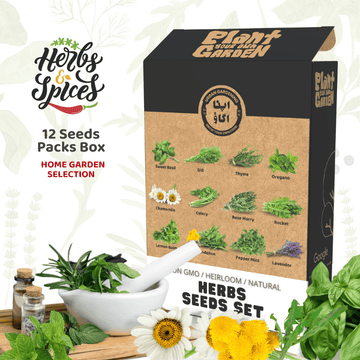
Many herbs can be grown in small containers, including mint, basil, coriander, parsley, dill, chives, oregano, thyme, rosemary and fennel.
Flowers
Flowers bring colour to urban gardens and may support pollinators. Suitable options include marigold, sunflower, zinnia, cosmos, petunia, portulaca, nasturtium, calendula and sweet alyssum.
Choose varieties according to the current season rather than planting the same flowers throughout the year.
How to Start an Urban Garden
Step 1: Study Your Space
Observe the area for several days. Check the hours of direct sunlight, afternoon heat, wind exposure, access to water, drainage and available vertical and floor space.
Most fruiting vegetables require more sunlight than leafy vegetables and herbs.
Step 2: Start Small
Begin with three to five easy plants instead of filling the entire space immediately. Good beginner choices include mint, coriander, fenugreek, spinach, radish, green chillies and marigold.
Starting small makes watering, pest control and plant care easier to manage.
Step 3: Select Suitable Containers
Containers must have sufficient depth and drainage holes. You can use fabric grow bags, terracotta pots, plastic planters, wooden raised beds, recycled food-grade containers, hanging baskets and seedling trays.
Avoid containers that previously held harmful chemicals.
Step 4: Use a Quality Growing Medium
Ordinary garden soil may become hard and compact inside containers.
A container mix should remain fertile, airy and well-draining. It may contain suitable proportions of clean soil, organic compost, coco peat, vermicompost, perlite, sand and well-decomposed organic matter.
The exact mixture may be adjusted according to the plant and local conditions.
Step 5: Choose Seasonal Seeds
Select crops that match the current growing season. Seasonal plants usually require less effort than crops forced to grow under unsuitable temperatures. Check seed-packet instructions for sowing depth, spacing and expected germination time.
Step 6: Water Carefully
Container plants dry faster than plants growing in open ground.
Check the soil regularly and water when needed. Avoid following a fixed schedule without first checking moisture. Water slowly until excess water begins leaving the drainage holes. Do not allow containers to remain in standing water.
Step 7: Feed and Observe
Container plants depend on a limited amount of soil, so nutrients must be replenished.
Use compost, vermicompost or an appropriate fertilizer according to the crop’s requirements. Observe leaves regularly for signs of pests, nutrient deficiency, heat stress or overwatering. Early detection makes most problems easier to manage.
Gardening Tips for Pakistan’s Climate
During Hot Summers
- Water early in the morning or near sunset
- Protect sensitive plants from intense afternoon sun
- Use mulch to reduce moisture loss
- Avoid placing containers directly on extremely hot concrete
- Group pots together to reduce rapid drying
- Use shade netting where necessary
- Check small containers more frequently
During the Monsoon
- Keep drainage holes open
- Raise containers slightly above the floor
- Avoid unnecessary watering after rainfall
- Inspect plants for fungal problems
- Provide airflow between pots
- Remove badly damaged or diseased leaves
During Winter
- Place containers where they receive maximum sunlight
- Reduce watering as soil dries more slowly
- Protect sensitive seedlings from frost in colder areas
- Select cool-season vegetables and flowers
- Avoid watering very late on cold evenings
In Windy Locations
- Secure trellises and hanging baskets
- Use heavier bases for tall plants
- Place delicate seedlings behind a wind barrier
- Prune excessively long or weak growth
- Avoid leaving lightweight empty pots unsecured
Common Urban Gardening Challenges
Limited Sunlight
Select mint, coriander, lettuce and other leafy crops for areas receiving partial sunlight. Fruiting vegetables generally need brighter conditions.
Plants Drying Too Quickly
Use larger containers, apply mulch and improve the growing medium’s moisture retention. Water according to soil condition rather than habit.
Pests
Inspect the underside of leaves regularly. Remove affected leaves where practical and use targeted, plant-safe controls rather than spraying every plant unnecessarily.
Poor Drainage
Add drainage holes and use a lighter growing medium. Never allow roots to remain continuously waterlogged.
Weak Plant Growth
Check sunlight, container size, spacing, watering and nutrients. Adding more fertilizer is not always the solution.
Rooftop Heat
Raise containers above the concrete surface, group them together, apply mulch and provide afternoon shade during extreme summer conditions.
Frequently Asked Questions
Can I start an urban garden without a rooftop?
Yes. You can grow plants on a balcony, veranda, courtyard, windowsill or any space that receives suitable light.
Is urban gardening expensive?
It does not have to be. Start with a few reusable containers, seasonal seeds and a basic growing medium. Expand the garden gradually as you gain experience.
Which vegetables are easiest for beginners in Pakistan?
Radish, spinach, fenugreek, coriander, okra and green chillies are practical beginner options when planted in the correct season.
How much sunlight does a vegetable garden need?
Many fruiting vegetables perform best with approximately six or more hours of direct sunlight. Leafy vegetables and herbs may tolerate less, depending on the crop and weather.
Are grow bags suitable for rooftops?
Yes. Grow bags are lightweight, movable and available in different sizes. However, rooftop strength, drainage, waterproofing and wind exposure must still be considered.
Can kitchen waste be used directly in plant pots?
Fresh kitchen waste should not normally be buried directly beside plant roots. Compost suitable organic waste first and use it after it has properly decomposed.
How often should container plants be watered?
There is no single schedule for every plant. Check the growing medium and water according to temperature, container size, crop type and moisture level.
Can urban gardening completely replace buying vegetables?
For most households, a small garden will supplement rather than completely replace purchased food. However, it can provide a useful supply of fresh herbs and seasonal vegetables.
Conclusion
Urban gardening proves that growing food is not limited to farms or large houses.
A rooftop, balcony, courtyard or windowsill can become a productive garden when it receives the right combination of sunlight, suitable containers, healthy soil and consistent care.
For families in Pakistan, urban gardening offers more than fresh vegetables. It creates opportunities to learn, reduce waste, spend time with nature and make unused spaces more productive.
Do not wait until you have the perfect location or a large gardening budget. Start with one container, one seasonal seed variety and one small corner of your home.
Every successful garden begins with a single seed.
Grow your own food. Bring your own revolution with Apna Ugao.