Grow More This Monsoon: Easy Vegetables and Herbs for Home Gardening

What if the rainy season could help you turn one sunny balcony, a few grow bags or a small rooftop corner into a productive kitchen garden?
That is exactly why ApnaUgao’s monsoon seed selection brings together vegetables and herbs that can make good use of Pakistan’s warm soil, humid weather and seasonal rainfall. These are not a separate or unusual type of seed. They are familiar crops—such as bhindi, kheera, baingan, tinda, karela, loki, basil and dhania—selected because their natural growing season matches the monsoon or the cooler weeks that follow it.
You do not need a farm or a large lawn. Many of these crops can be grown in pots, grow bags, raised beds or vertical trellises at home. This guide will help you understand what each crop is, how much space it needs and which option is easiest for your setup. For detailed sowing and care instructions, you can follow the linked ApnaUgao planting guides.
Ready to explore the season? Start with the July Monsoon Seeds Collection, browse Seeds for August, or view all Herb Seeds.
What Are Monsoon Seeds?
“Monsoon seeds” simply means varieties suitable for sowing during the rainy season or during the transition from summer to autumn. They are chosen according to three things:
- Temperature: warm-season crops such as okra, cucumber, brinjal and gourds enjoy warm soil.
- Growing habit: vigorous vines can grow quickly when warmth and moisture are available.
- Seasonal timing: coriander, spinach, radish and some other crops become more suitable as the weather begins cooling toward late August and September.
The rain itself does not guarantee success. Monsoon crops still need sunlight, drainage and airflow. A pot filled with water can damage even a heat-loving vegetable, while a well-drained grow bag can produce an excellent home harvest.
The most important monsoon gardening rule: let rain help your plants, but never let their roots remain in standing water.
Choose Crops for Your Home Setup
Instead of choosing seeds only by name, first look at the space available in your home.
| Your Space | Good Crop Choices | What You Need |
|---|---|---|
| Small balcony or patio | Okra, brinjal, chillies, basil, mint and coriander | Individual pots or grow bags, sunlight and open drainage holes |
| Balcony with railing or wall | Cucumber, bitter gourd, bottle gourd and tori | Large containers plus a secure trellis or net |
| Rooftop | Okra, brinjal, cucumber, gourds, pumpkin, sweet corn and herbs | Wind-secured pots, trellises, shade for young seedlings and clear roof drains |
| Backyard or raised bed | All monsoon vegetables, including larger gourds and pumpkins | Raised soil, drainage channels and room for vines |
| Kitchen window or bright indoor edge | Mint and small batches of herbs | Strong natural light and careful watering |
For rainy-season container care, read Monsoon Container Gardening in Pakistan.
Easy Beginner Vegetables
Okra or Bhindi: The Reliable Monsoon Starter
What is it? Okra is the familiar bhindi used in Pakistani cooking. It is a warm-season plant that grows upright rather than spreading across the garden.
Why is it good for home gardeners? It is one of the easiest choices for a sunny balcony, rooftop or backyard. Each plant can grow in its own medium-to-large container, and regular picking encourages more pods.
Simple home setup: Sow directly into a pot or grow bag with rich, well-drained soil. Give it full sun and do not allow rainwater to remain trapped in the container.
Cucumber or Kheera: Quick Growth with a Trellis
What is it? Cucumber is a fast-growing vine that produces crisp, refreshing kheera for salads, raita and summer meals.
Why is it good for home gardeners? It grows upward when given a net or trellis, so even a small balcony can produce fruit without using much floor space.
Simple home setup: Use a large container, place it near a sunny railing or wall and install the support before the vine becomes long. Keep fruit and leaves away from wet ground.
Shop Heirloom Cucumber Seeds | Read the Cucumber Planting Guide
Tinda: A Compact Desi Favourite
What is it? Tinda, also called apple gourd, produces small round green vegetables used in traditional curries.
Why is it good for home gardeners? Compared with very large gourds, its growth can be easier to manage in a raised bed or roomy container.
Simple home setup: Give the plant warmth, sunlight and a container with fast drainage. Pick the fruit while it is young and tender.
Shop Heirloom Tinda Seeds | Read the Gourd Growing Guide
Climbing Vegetables for Vertical Spaces
Climbing vegetables are some of the most exciting monsoon crops. A single vine can transform a plain wall, railing or rooftop frame into an edible green screen. They need less ground area but more support.
Bottle Gourd or Loki
Bottle gourd produces long, pale-green fruits with soft flesh. The vine grows vigorously and is ideal for a rooftop trellis, pergola or backyard frame. Use a large container or raised mound and make sure the support can hold mature fruit.
Shop Bottle Gourd Seeds | View the Detailed Guide
Bitter Gourd or Karela
Karela is a climbing vegetable known for its ridged green fruit and distinctive bitter taste. It enjoys warm weather and performs well on a sunny trellis. Regularly check young fruit because humid weather can increase fruit-fly pressure.
Shop Heirloom Bitter Gourd Seeds | View the Detailed Guide
Tori and Desi Squash
Tori and other traditional squashes are productive vines that make excellent use of vertical space. ApnaUgao’s catalogue includes choices such as Bael Tori, Ghiyya Kadu and Chapan Kadu.
Choose these when you have a strong trellis and enough space for vines to spread. Pick vegetables frequently for tender texture and continued production.
Pumpkin or Halwa Kadu
Pumpkins are rewarding but need more room than most balcony crops. Their vines can be directed along a rooftop edge, open backyard or large raised bed. Small or medium varieties are easier for home growers than giant types.
Place developing pumpkins on dry mulch, a tile or a small board so they do not remain in contact with wet soil.
Shop Butternut Rugosa Pumpkin Seeds | Explore Pumpkin Varieties | Read the Pumpkin Planting Guide
Long-Harvest Crops for Pots and Grow Bags
Brinjal or Baingan
What is it? Brinjal is a bushy fruiting vegetable available in purple, white, yellow, round and long varieties.
Why is it good for home gardeners? One healthy plant in a large grow bag can produce over a long period. It does not need a large trellis, although a stake helps support branches carrying fruit.
Simple home setup: Start seeds in a tray, transplant one strong seedling into a large pot and place it in full sun. Keep the plant open and airy rather than crowded between other pots.
Explore Round Purple Brinjal, Long Brinjal, White Brinjal or the Five-Variety Heirloom Eggplant Set.
Read the Brinjal Planting Guide
Chillies and Peppers
Chilli plants are compact enough for balconies and rooftops and can continue producing for months. Monsoon humidity supports leafy growth, but flowers need protection from prolonged heavy rain and plants should be monitored for whiteflies and mites.
Read the Hot Pepper Growing Guide | Read the Bell Pepper Guide
Sweet Corn
Sweet corn is suitable for rooftops, backyards and larger raised beds. It is not the best crop for one narrow balcony pot because several plants should be grown together for good pollination. Plant it in a block rather than one long line.
Easy Herbs for the Home Kitchen
Herbs are ideal for people who want frequent small harvests rather than large vegetables. A few pots near the kitchen can provide fresh leaves for tea, chutney, garnishing and everyday cooking.
Basil: Best for Warm Monsoon Weather
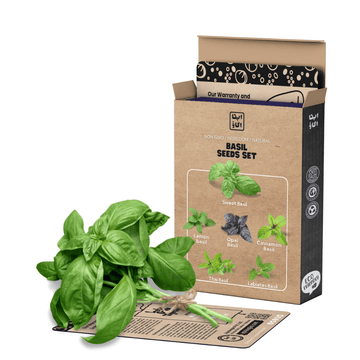
Basil is an aromatic herb used in sauces, salads, drinks and many international dishes. It likes warmth, sunlight and frequent tip-pruning. A medium pot is usually enough for one healthy plant.
Keep basil in a place where it receives bright light but does not sit under a constant stream of roof water. Pinching the growing tips keeps the plant bushy.
Mint: The Easiest Herb for Beginners
Mint grows quickly in humid weather and is useful for chutney, raita, drinks and tea. It is best kept in its own pot because its roots spread aggressively.
A location with morning sun and some afternoon protection works well in hot cities. Trim regularly to encourage soft new leaves.
Explore the Mint Growing Guide
Coriander or Dhania: Better Toward Late Monsoon
Coriander is one of Pakistan’s most-used kitchen herbs. However, it prefers milder weather than okra or gourds. In very hot plains, it is usually easier to grow from late August or September instead of during peak July heat.
Sow small batches every two to three weeks in a wide container. This gives the home kitchen a more regular supply instead of one large harvest.
Shop Coriander Seeds | Read the Herb Seed Germination Guide
Lemon Balm and Parsley: For the Seasonal Transition
Lemon Balm is a fragrant citrus-mint herb used for teas and refreshing infusions. Italian Parsley is a leafy culinary herb used in salads, sauces and garnishing.
Both generally become easier as the hottest monsoon weather begins to pass. Start them in a protected tray or bright, airy location, especially in Lahore, South Punjab and interior Sindh.
Explore the Complete Herb Seed Catalogue
What to Plant from June to September
| Month | Best Focus | Good Choices for Home Gardens | Shop the Collection |
|---|---|---|---|
| June | Prepare before peak rain | Okra, cucumber, gourds, pumpkin, brinjal, chillies and basil | Seeds for June |
| July | Main monsoon planting | Okra, cucumber, tinda, loki, karela, tori, pumpkin and warm-season herbs | Seeds for July |
| August | Continue warm crops and begin the transition | Brinjal, cucumber, sweet corn, coriander in protected spots, radish, turnip and spinach as weather allows | Seeds for August |
| September | Move toward autumn gardening | Coriander, spinach, radish, turnip, parsley and cool-season nursery crops | September Growing Guide |
These windows are flexible. Rainfall, temperature and elevation vary across Pakistan, so the selected variety and your local conditions should always guide the final sowing date.
The Simple Monsoon Growing Formula
You do not need complicated equipment. Most home setups succeed when six basic needs are covered.
1. Use a Container That Matches the Crop
- Herbs can grow in small-to-medium pots.
- Okra, brinjal and chillies need individual medium-to-large containers.
- Cucumber and small gourds need large containers plus support.
- Pumpkin and vigorous gourds need very large grow bags, raised beds or open ground.
Browse Grow Bags and Trays and Planters.
2. Give Roots Fast Drainage
Use a loose growing medium rather than dense garden clay alone. Keep every drainage hole open and raise pots slightly above the floor so water can escape after rain.
Explore Potting and Soil Media and Organic Soil Amendments.
3. Provide Enough Sunlight
Most fruiting vegetables require at least six hours of direct sun. Herbs such as mint and coriander may appreciate protection from intense afternoon heat, especially in the plains.
4. Install Supports Early
Put the trellis in place before sowing cucumber, loki, karela, tori or pumpkin. This avoids disturbing roots later and keeps growth organised from the beginning.
5. Check the Soil Before Watering
Do not water automatically because it is morning. An exposed pot may be saturated after rain while a pot under a roof may be dry. Push a finger into the soil and water only when the upper layer is beginning to dry.
6. Inspect Plants After Every Heavy Rain
Look underneath leaves, remove damaged fruit and clear fallen leaves from the soil. Early attention prevents a small pest or fungal issue from spreading through the entire home garden.
For safer pest management, read Green Pest Control in Pakistan.
Regional Timing Across Pakistan
Lahore, Faisalabad and Punjab Plains
June and July suit okra, gourds, cucumber and brinjal. Coriander, spinach and root vegetables become easier from late August into September as the weather begins changing.
South Punjab and Interior Sindh
Heat often remains intense. Continue with warm crops such as okra, brinjal, cucumber, gourds and chillies, but delay cool herbs until night temperatures become milder.
Karachi and Coastal Sindh
Humidity is often more important than rainfall. Give every plant space, keep pots raised and avoid unnecessary watering. Warm crops can grow well, but leaves need airflow.
Islamabad, Potohar and Lower Khyber Pakhtunkhwa
Rain can be heavier, so raised beds and protected nursery trays are valuable. Divert roof runoff away from containers and keep young seedlings out of direct downpours.
Northern and Cooler Areas
Follow local temperature rather than the plains calendar. Some herbs and leafy crops can begin earlier, but flood-prone soil and prolonged rain can still damage roots.
Frequently Asked Questions
Are monsoon seeds different from normal vegetable seeds?
No. The term describes crops and varieties suitable for sowing during the monsoon season. The seeds themselves are ordinary vegetable or herb seeds.
Can I grow these vegetables without a garden?
Yes. Okra, brinjal, chillies and herbs grow well in pots or grow bags. Cucumber and gourds can also grow in containers when they have enough root space and a strong trellis.
Which crop is easiest for a complete beginner?
Okra is one of the simplest vegetables. Mint is one of the easiest herbs. Cucumber is also beginner-friendly when a trellis and large container are available.
Which crops are suitable for a small balcony?
Choose okra, brinjal, chillies, basil, mint and coriander. Add cucumber or bitter gourd only when the balcony has strong vertical support and good sunlight.
Can I plant coriander in July?
It can be attempted in cooler areas or protected partial shade, but late August and September usually provide easier conditions in Pakistan’s hot plains.
Why do pots rot during monsoon?
The usual causes are blocked drainage holes, dense soil, containers standing in saucers and unnecessary watering after rain.
Do gourds need a trellis?
Yes. A sturdy trellis improves airflow, saves space, keeps fruit cleaner and makes harvesting easier.
Where can I find complete planting instructions?
ApnaUgao already provides crop-specific planting guides. Use the links in this article for cucumber, gourds, pumpkin, brinjal, peppers, basil, mint and herb germination.
Start with the Crop That Fits Your Space
A successful monsoon garden does not have to begin with ten different crops. Start with two or three plants that match your home.
- For a sunny balcony, begin with okra, brinjal and basil.
- For a railing or wall, add cucumber or karela on a trellis.
- For a rooftop, combine grow bags of vegetables with a separate herb corner.
- For a backyard, use raised beds for vegetables and allow gourds to climb overhead.
Once you understand your sunlight, drainage and available space, choosing from the catalogue becomes much easier.
Explore the season: Shop Seeds for June | Shop Monsoon Seeds for July | Shop Seeds for August | Shop Herb Seeds