Gardening for Beginners in Pakistan

Home gardening is possible in a lawn, courtyard, rooftop, balcony, or sunny windowsill. Start with a small number of seasonal plants, learn how your space behaves, and expand gradually.
Why Start Home Gardening?
- Fresh herbs and seasonal vegetables
- Productive use of balconies, rooftops, and yards
- A practical hobby and learning activity
- Greater control over soil, feeding, and pest management
- Potential savings on frequently harvested crops
Choose the Right Space
Observe sunlight for several days before planting. Fruiting vegetables often need six or more hours of direct sun, while leafy vegetables and selected herbs can tolerate partial sun. Rooftop gardens also require structural assessment, waterproofing, drainage, safe access, and wind protection.
Containers or Ground Planting?
Container Gardening
- Suitable for balconies, courtyards, and rooftops
- Provides control over the growing medium
- Requires frequent moisture checks
- Needs open drainage holes
Ground Gardening
- Suitable for larger crops and long vines
- Requires soil preparation and weed management
- Usually dries more slowly than small containers
Prepare the Growing Medium
Use a fertile, well-drained mix suited to the plant. A combination of clean soil, compost, coco peat, and an aeration material can work, but fixed percentages should be adjusted for local soil, climate, and container size.
Easy Crops for Beginners
Vegetables and Herbs
- Radish
- Spinach
- Fenugreek
- Coriander
- Mint in a separate pot
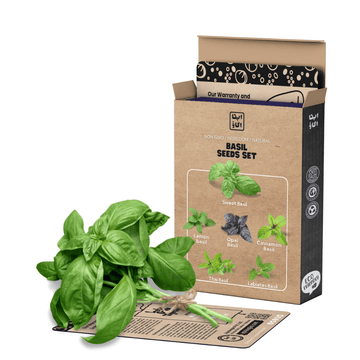
- Basil during warm weather
- Okra during summer
- Green chillies in a large pot
Longer or More Demanding Crops
Tomatoes, gourds, cucumbers, brinjal, and pumpkins need more space, support, feeding, and seasonal planning.
Watering Basics
- Check soil moisture before watering.
- Water thoroughly and allow excess water to drain.
- Small pots dry faster than ground beds.
- Watering frequency changes with temperature, wind, humidity, and crop size.
- Avoid keeping saucers full of water.
Growing Seasons in Pakistan
Warm-Season Crops
| Crop | Urdu Name |
|---|---|
| Tomato | ٹماٹر |
| Green chilli | ہری مرچ |
| Okra | بھِنڈی |
| Brinjal | بینگن |
| Cucumber | کھیرا |
| Bottle gourd | لوکی |
| Bitter gourd | کریلا |
| Pumpkin | کدو |
Cool-Season Crops
| Crop | Urdu Name |
|---|---|
| Spinach | پالک |
| Coriander | دھنیا |
| Fenugreek | میتھی |
| Radish | مولی |
| Carrot | گاجر |
| Turnip | شلجم |
| Peas | مٹر |
| Cauliflower | پھول گوبھی |
Season boundaries vary between Karachi, Lahore, Islamabad, Quetta, Peshawar, and northern areas. Current temperature is more useful than the month alone.
Responsible Pest Management
- Inspect both sides of leaves weekly.
- Identify the pest or disease before treatment.
- Remove small infestations by hand where practical.
- Improve spacing and airflow.
- Use neem-based, soap-based, or other garden products only according to their labels.
Common Beginner Mistakes
- Overwatering
- Using heavy soil in containers
- Ignoring seasonal planting
- Crowding seedlings
- Adding fertiliser without checking the cause of poor growth
- Starting with too many crops
Final Thoughts
Start with a few easy crops, keep records, and adjust one factor at a time. A small garden managed consistently is more successful than a large garden that becomes difficult to maintain.