
How to Start a Rooftop Edible Garden in Pakistan: Step-by-Step Guide

A rooftop edible garden can turn an unused roof into a productive space for vegetables, herbs and salad leaves. In Pakistan, rooftop plants face intense sun, hot floors, strong wind and monsoon rain, so the garden must be planned more carefully than a ground-level kitchen garden.
Begin with a small, lightweight container setup. Expand only after checking the roof structure, waterproofing, drainage and safe access. This step-by-step guide explains how to build and maintain a practical rooftop garden under Pakistani conditions.
Table of Contents
- Quick Rooftop Garden Guide
- 1. Check the Roof Before Planting
- 2. Study Sunlight, Wind and Layout
- 3. Select Containers and Grow Bags
- 4. Prepare a Lightweight Soil Mix
- 5. Choose Seasonal Crops
- 6. Sow and Transplant Correctly
- 7. Manage Watering and Mulch
- 8. Feed Container Plants
- 9. Use Vertical Space Safely
- 10. Manage Heat, Wind and Monsoon Rain
- 11. Prevent Pests and Diseases
- Beginner Rooftop Garden Plan
- Troubleshooting
- Frequently Asked Questions
Quick Rooftop Garden Guide
| Factor | Recommendation |
|---|---|
| Roof safety | Get building-specific professional advice when load capacity is unknown |
| Waterproofing | Inspect and repair before adding containers |
| Drainage | Keep every outlet visible, clean and accessible |
| Sunlight | 6–8 hours for fruiting crops; 4–6 hours for many leafy greens and herbs |
| Containers | Use lightweight pots or fabric grow bags with open drainage |
| Growing medium | Use a porous container mix instead of dense field soil |
| Watering | Check moisture frequently in hot and windy weather |
| Summer care | Mulch roots and use temporary 30–40% shade during severe heat |
| Beginner crops | Lettuce, coriander, spinach, spring onion, chilli, brinjal, okra and cucumber |
1. Check the Roof Before Planting
Wet growing media, pots, stored water, people and equipment all add weight. There is no universal load limit suitable for every house, so consult a qualified building professional whenever the roof capacity is uncertain. Avoid permanent masonry beds or a large concentration of heavy containers without approval.
Waterproofing and Drainage
- Repair cracks, damp patches and damaged waterproofing first.
- Keep rainwater outlets and downpipes clear.
- Raise pots slightly so water can leave their drainage holes.
- Do not allow wet soil, leaves or compost to remain on the roof surface.
- Avoid drilling through the roof membrane for supports unless the fixing is professionally detailed and sealed.
Safe Access
Make sure the roof has safe stairs, adequate parapet walls or railings and clear walking routes. Keep access to tanks, solar equipment, drains and utility lines open.
2. Study Sunlight, Wind and Layout
Observe the rooftop in the morning, at midday and in late afternoon. Fruiting vegetables such as tomato, chilli, brinjal, okra and cucumber generally perform best with 6–8 hours of direct sun. Leafy greens and herbs can grow with 4–6 hours, particularly during warmer weather.
- Keep main paths about 60–90 cm wide.
- Group plants with similar watering needs.
- Place herbs and frequently harvested greens near the entrance.
- Position tall crops so they do not shade the entire garden.
- Distribute containers instead of crowding them in one area.
- Keep exposed roof edges for low, securely supported plants.
Rooftop wind can be stronger than wind at street level. Secure pots, trellises and shade material. A permeable windbreak is usually more practical than a loose solid sheet, but every installation must be firmly fixed.
3. Select Containers and Grow Bags
Fabric grow bags and lightweight plastic pots are practical for terraces and roofs. Reused containers must be clean, food-safe and fitted with drainage holes.
| Container size | Suitable crops |
|---|---|
| 5–10 litres | Coriander, parsley, mint, basil, spring onion and baby leaves |
| 10–15 litres | Lettuce, spinach, radish and compact chilli |
| 15–25 litres | Chilli, capsicum, okra and compact tomato |
| 25–35 litres | Brinjal, larger tomato and cucumber |
| 40–60 litres or more | One vigorous gourd or pumpkin vine with strong support |
| Deep container | Carrot, beet and turnip according to variety |
The 26-litre fabric grow bag is suitable for many fruiting vegetables. Explore the grow bag collection for other sizes.
Use one mature fruiting plant per container unless the variety is very compact. Raise containers on pot feet or suitable supports, and replace damaged grow bags before their seams weaken.
4. Prepare a Lightweight Soil Mix
Dense garden soil becomes heavy and compact when wet. A rooftop growing mix should retain moisture without remaining waterlogged.
Practical Container Mix
- 40% coco peat
- 30% quality potting mix or screened fertile loam
- 20% mature compost or vermicompost
- 10% perlite
Adjust the mixture according to weather. Slightly more moisture-retaining material may help in dry conditions, while excellent aeration is essential during monsoon weather.
- BIOGRO Premium Organic Potting Mix
- BIOGRO Premium Planting Coco Peat
- BIOGRO Organic Perlite
- BIOGRO Organic Vermicompost
Mix everything evenly and leave a small gap below the container rim for watering. Between crops, remove old roots, loosen healthy used media and restore fertility and drainage with fresh compost and aeration material.
5. Choose Seasonal Crops
Pakistan’s growing seasons differ between Karachi, Lahore, Multan, Islamabad, Peshawar, Quetta and northern areas. Use the following periods as general guidance and adjust for local frost, heat and rainfall.
Cool Season: September or October to February
- Spinach, lettuce, coriander, fenugreek, parsley and rocket
- Radish, carrot, beet and turnip
- Peas and spring onion
- Broccoli, cabbage, cauliflower and kale in larger pots
The Leafy Greens Seeds Set is useful for a winter rooftop garden. Browse leafy vegetable seeds and root vegetable seeds.
Warm Season: Spring and Suitable Monsoon Periods
- Tomato, chilli, bell pepper and brinjal
- Okra
- Cucumber
- Bottle gourd, ridge gourd, sponge gourd and bitter gourd
- Basil and other warm-season herbs
Explore summer vegetable seeds and the rainy-season seed collection.
Easy Beginner Choices
- Leaf lettuce for quick cool-season harvests
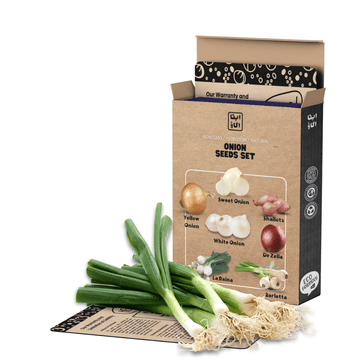
- Spring onion for compact spaces
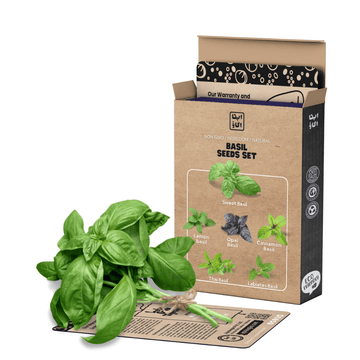
- Sweet basil for warm weather
- Round brinjal for spring and monsoon planting
- Okra for summer heat
- Alficoz cucumber on a secure trellis
Large vines need substantial root space and support. Read the gourd growing guide before adding gourds. Browse all vegetable seeds for seasonal options.
6. Sow and Transplant Correctly
| Direct sow | Start in nursery trays |
|---|---|
| Carrot, radish, turnip, beet and peas | Tomato, chilli, capsicum and brinjal |
| Okra, cucumber and gourds | Broccoli, cabbage and cauliflower |
| Coriander and fenugreek | Delicate herbs when outdoor weather is harsh |
- Use clean trays and fine, well-draining seed-starting mix.
- Sow at the depth recommended for the crop.
- Label the variety and date.
- Keep the mix moist but not saturated.
- Give seedlings bright light immediately after germination.
- Thin crowded seedlings.
Harden nursery seedlings for 7–10 days before transplanting. Begin with mild morning conditions and increase outdoor exposure gradually. Transplant in late afternoon and avoid overcrowding mature plants.
7. Manage Watering and Mulch
Rooftop pots dry faster because of direct sun, warm floors and moving air. Watering needs therefore change with container size, crop, season and wind.
- Check the top 2–3 cm of the mix before watering.
- Water slowly until a small amount drains from the base.
- Water in the morning whenever possible.
- Check fabric bags and small pots more often during hot weather.
- Reduce watering during cloudy or rainy periods.
- Do not leave standing water in trays.
A simple drip system can provide more even moisture, but inspect emitters and joints regularly. Apply a 3–5 cm layer of clean straw or dry leaves after plants establish. Keep mulch slightly away from stems.
8. Feed Container Plants
Container nutrients are gradually used or washed out through drainage. Begin with mature compost or vermicompost, then feed lightly according to crop needs.
- Use a balanced feed after transplanted plants establish.
- Avoid excessive nitrogen once flowering begins.
- Apply fertiliser only at its labelled rate.
- Water dry, stressed plants before feeding.
- Reduce feeding when growth slows in extreme heat or cold.
Osmocote Plus Plant Food offers slow-release nutrition when used as directed. BIOGRO Organic Bone Meal is another slow-release amendment. Browse the fertiliser and nutrient collection.
9. Use Vertical Space Safely
Trellises help cucumbers, peas, beans and gourds grow upward, leaving more floor space for containers.
- Install supports before vines become large.
- Secure frames against strong wind.
- Use soft plant ties.
- Support heavy fruit with slings where necessary.
- Keep vines away from drains, doors and rooftop equipment.
- Do not attach large trellises or shade structures casually to pipes or tanks.
Permanent structures should use a professionally planned fixing method that protects the waterproofing.
10. Manage Heat, Wind and Monsoon Rain
Extreme Heat
- Mulch the root zone.
- Water deeply in the morning and recheck pots later.
- Use temporary 30–40% afternoon shade during severe heatwaves.
- Protect container sides from direct midday sun.
- Delay transplanting tender seedlings until conditions improve.
Wind
- Use stable containers in exposed areas.
- Secure trellises and shade cloth.
- Protect young seedlings from strong wind.
- Wash dust from leaves gently when necessary.
Monsoon
- Clean all roof drains before rain begins.
- Raise pots so drainage holes remain open.
- Stop routine watering while the mix remains wet.
- Increase spacing and airflow.
- Secure loose items before storms.
- Check the roof and indoor ceiling after prolonged rain.
11. Prevent Pests and Diseases
| Problem | Signs | First response |
|---|---|---|
| Aphids | Clusters on soft growth and curled leaves | Wash off light infestations and remove badly affected tips |
| Whiteflies | Tiny white insects beneath leaves | Use sticky traps for monitoring and improve airflow |
| Spider mites | Yellow speckling and fine webbing | Wash leaf undersides and prevent severe drought stress |
| Fruit flies | Damaged gourd or cucumber fruit | Remove affected fruit promptly and use suitable traps |
| Powdery mildew | White powdery patches | Improve spacing and remove heavily affected leaves |
| Root rot | Wilting while the mix remains wet | Improve drainage and reduce watering |
Inspect leaf undersides twice a week, remove dead foliage, avoid crowding and keep tools clean. Use garden treatments only after identifying the problem and follow their labels carefully.
Beginner Rooftop Garden Plan
Start with six to eight containers:
| Containers | Suggested crop |
|---|---|
| Two medium pots | Lettuce, spinach or fenugreek |
| One herb pot | Coriander, parsley or basil |
| One 15–20 litre pot | Chilli |
| One 20–30 litre grow bag | Brinjal or capsicum |
| One 25–35 litre container | Tomato |
| One 25–35 litre container with trellis | Cucumber |
| One deep pot | Radish, carrot or turnip |
Observe this setup through one season. Record watering frequency, sun exposure, wind and drainage before expanding.
Troubleshooting
| Problem | Likely cause | Solution |
|---|---|---|
| Plants wilt every afternoon | Hot roots, dry mix, small pots or wind | Check moisture, mulch, enlarge the pot and add temporary shade |
| Yellow leaves | Overwatering, poor drainage or nutrient stress | Inspect moisture and roots before feeding |
| Flowers fall | Extreme heat, dry roots or excess nitrogen | Stabilise moisture, provide heat protection and reduce nitrogen |
| Container tips over | Top-heavy growth or strong wind | Use a stable container and secure supports |
| Water remains beneath pots | Blocked holes or flat placement | Raise pots and clear drainage |
| Algae or mosquitoes appear | Standing water | Empty trays and repair leaks promptly |
| Roof develops damp patches | Waterproofing or drainage problem | Move the containers and arrange professional inspection |
Frequently Asked Questions
Can every concrete roof support a garden?
No. Roof designs and conditions differ. Obtain building-specific advice when capacity is uncertain, especially before installing numerous pots, permanent beds or stored water.
How do I prevent rooftop leakage?
Repair waterproofing before installation, raise containers, keep drains clear and inspect the roof regularly. Avoid unplanned holes through the waterproof layer.
Can I use ordinary garden soil?
Not by itself. It is usually too heavy and compact for rooftop pots. Combine a limited amount with coco peat, compost and perlite or use prepared potting mix.
Which vegetables are easiest for beginners?
Leaf lettuce, spinach, coriander, spring onion, chilli, brinjal, okra and cucumber are practical when grown in the correct season.
Do rooftop plants need daily watering?
Not always. Check the growing mix first. Small containers may need daily attention in hot wind, while large pots remain moist longer.
Can gourds grow on a rooftop?
Yes, when the roof is suitable and the plant has a large container, full sun and a securely installed trellis. Keep vines and fruit away from drains and equipment.
What should I do before monsoon?
Clean drains, raise pots, secure supports, remove loose items and confirm that every container drains freely.
How many pots should a beginner use?
Six to eight containers are enough to learn seasonal planting, watering and pest management before expanding.
Conclusion
A successful rooftop edible garden in Pakistan begins with structural safety, waterproofing and drainage. Use lightweight containers, porous potting mix and crops suited to the local season. Consistent watering, mulch, secure supports and protection from summer heat and monsoon rain will keep the garden manageable and productive.
Start small and expand after observing the roof through changing weather. Explore ApnaUgao garden supplies, vegetable seeds, grow bags and plant nutrients for your rooftop kitchen garden.