How to Grow Basil in Pakistan: Complete Home Gardening Guide

Basil is one of the most rewarding herbs to grow in a Pakistan home garden. It develops quickly in warm weather, fits easily into pots and grow bags, and provides repeated harvests when the growing tips are pinched regularly. Its fresh leaves can be used in pesto, pasta, salads, sauces, teas, curries, soups and garnishes, depending on the variety.
Although basil is beginner-friendly, it does not perform equally well in every month. Cold nights, frost, extreme afternoon heat, waterlogged soil and overcrowding can reduce growth. This guide explains when to sow basil in different regions of Pakistan, how to grow it from seed, which potting mix to use, and how to water, prune, harvest and protect the plant.
Table of Contents
- Basil Growing Quick Facts
- Is Basil the Same as Tulsi?
- Best Basil Varieties to Grow
- Best Time to Sow Basil in Pakistan
- What You Need
- Choose the Right Location and Pot
- Prepare the Potting Mix
- How to Sow Basil Seeds
- Thinning and Transplanting
- Watering Basil Correctly
- Feeding and Fertilising
- Pinching and Pruning
- Harvesting and Storing Basil
- Flowers, Pollinators and Seed Saving
- Companion Planting
- Summer, Monsoon and Winter Care
- Common Pests, Diseases and Problems
- Common Beginner Mistakes
- Simple Three-Pot Basil Garden
- Frequently Asked Questions
Basil Growing Quick Facts
| Growing factor | Recommended conditions |
|---|---|
| Plant type | Warm-season aromatic herb, usually grown as an annual |
| Common botanical name | Ocimum basilicum for sweet basil and many culinary varieties |
| Best temperature | Approximately 20–30°C for active growth |
| Germination time | Usually 7–14 days under warm, evenly moist conditions |
| Light | About 6 or more hours of suitable sunlight; afternoon shade can help during severe heat |
| Sowing depth | Very shallow; cover the small seeds lightly |
| Plant spacing | Approximately 20–30 cm, depending on variety |
| Pot size | 5–10 litres for a compact plant; 10–15 litres for a fuller mature plant |
| Watering | Water when the upper 2–3 cm of mix begins to dry |
| First light harvest | Often 30–45 days after sowing, depending on variety and conditions |
| Main harvesting method | Cut stems just above a leaf node to encourage branching |
| Cold tolerance | Frost-sensitive and easily damaged by cold nights |
Is Basil the Same as Tulsi?
The words basil and tulsi are sometimes used interchangeably, but they do not always refer to the same plant.
- Sweet basil is generally Ocimum basilicum. It has soft green leaves and is commonly used in pesto, salads, sauces and Mediterranean cooking.
- Holy basil or tulsi is often Ocimum tenuiflorum. It usually has a stronger clove-like or peppery aroma and is widely used in herbal teas and South Asian traditions.
- Thai basil, lemon basil, cinnamon basil and purple basil have different aromas, colours and culinary uses.
All are members of the mint family, but growth habit, flavour and final use can differ. Check the product name and botanical description before sowing. ApnaUgao offers both Sweet Basil Herb Seeds and Thai Holy Basil (Tulsi) Seeds.
Best Basil Varieties to Grow in Pakistan
| Variety | Main features and uses | Recommended product |
|---|---|---|
| Sweet basil | Classic green culinary basil for pesto, tomato dishes, pasta, salads and garnishes | Sweet Basil Herb Seeds |
| Lemon basil | Citrusy aroma for teas, salads, seafood, dressings and drinks | Organic Lemon Basil Seeds |
| Cinnamon basil | Warm cinnamon-clove aroma for teas, desserts, fruit and aromatic drinks | Organic Cinnamon Basil Seeds |
| Dark Opal basil | Deep purple ornamental foliage with sweet-spicy flavour | Dark Opal Basil Seeds |
| Thai holy basil | Peppery, clove-like leaves for stir-fries, soups, curries and herbal tea | Thai Holy Basil Seeds |
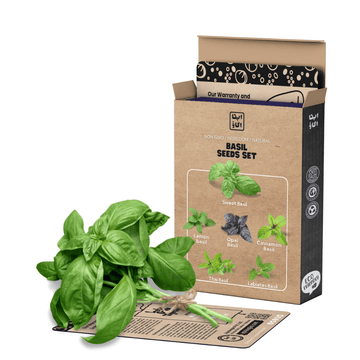
| Mixed basil varieties | A practical way to compare flavour, colour and plant habit in one garden | Basil Herb Seeds Set – 6 Varieties |
Beginners can start with sweet basil because it is productive, easy to recognise and responds well to regular pinching. Gardeners who want several flavours in a small space can use the six-variety seed set and grow one variety per labelled pot.
Best Time to Sow Basil in Pakistan
Basil needs warm soil and frost-free conditions. Calendar dates are useful, but local temperature, elevation and yearly weather should guide the final decision.
| Region | Useful sowing window | Important care point |
|---|---|---|
| Lahore and Punjab plains | Late February to April; a protected late-monsoon sowing in July or August can also work | Protect young plants from cold nights in early spring and afternoon heat in May and June |
| Multan and southern Punjab | February to March, with another carefully managed late-summer window | Plant early enough to establish before peak heat; use mulch and afternoon shade during heatwaves |
| Karachi and coastal Sindh | January or February through much of the warm season | Provide airflow, avoid waterlogging during monsoon and protect pots from intense reflected heat |
| Islamabad and Rawalpindi | March to May; late July or August may suit another sowing after severe heat | Do not expose seedlings to frost or very cold spring nights |
| Peshawar and nearby plains | March to April and a suitable late-summer window | Morning sun and protection from severe afternoon heat may improve growth |
| Quetta and cooler uplands | April to June after damaging frost has passed | Use a sunny sheltered position and bring containers under protection when nights cool |
| Northern hill regions | Late spring to early summer, depending on altitude | Wait until frost risk is over and nights remain reliably warm |
Basil can be started indoors three to four weeks before outdoor conditions become suitable. Seedlings raised under protection must be hardened gradually before transplanting. For nursery techniques, read the Herbs Seeds Germination Guide.
What You Need
- Fresh basil seeds or a basil seed set
- A clean seedling tray, small nursery pot or final container
- Light seed-starting mix or fine potting mix
- A 5–15 litre pot or grow bag with open drainage holes
- Coco peat, potting mix, mature compost or vermicompost, and perlite
- A gentle watering can or hand sprayer for germination
- Plant labels for different varieties
- Clean scissors for pruning and harvesting
A Sweet Basil Seeds Disc is a simple option for beginners because the seeds are already distributed on a biodegradable disc. Place it flat in a pot, cover lightly, water gently and thin the seedlings as they grow.
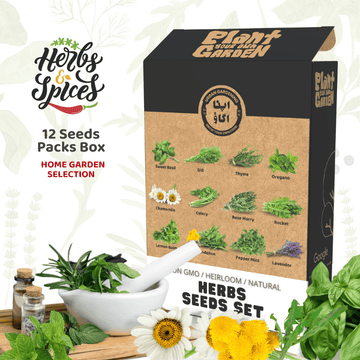
Gardeners building a larger herb collection can consider the Herbs Seeds Set – 12 Culinary and Medicinal Herbs or the complete Herbs and Spices Gardening Kit – GREEN BOX.
Choose the Right Location and Pot
Sunlight
Give basil approximately six or more hours of suitable sunlight. Morning sun is especially useful. In Lahore, Multan and other hot cities, severe summer afternoon sun can scorch leaves and overheat small containers. Temporary afternoon shade can protect the plant without moving it into deep shade.
Plants grown with too little light often become tall, pale and weak, with long spaces between leaves. A bright window can support a small indoor plant, but outdoor light normally produces stronger growth.
Pot Size
| Container | Suitable use |
|---|---|
| 3–5 litre pot | Short-term baby leaves or one small compact plant |
| 5–10 litre pot | One regularly harvested basil plant |
| 10–15 litre pot | One fuller mature plant with better moisture stability |
| 20–25 litre grow bag | Two well-spaced plants or one large vigorous plant, depending on variety |
| Window box | A row of basil plants spaced approximately 20–25 cm apart |
The container should be at least about 20–25 cm deep and must have drainage holes. A 26-litre fabric grow bag provides enough space for a productive basil planting, while smaller pots work well for single plants.
Balcony and Rooftop Safety
- Secure pots against strong wind.
- Raise containers slightly so drainage holes remain open.
- Keep drainage water away from electrical equipment and neighbouring properties.
- Check rooftop structural capacity and waterproofing before adding many wet containers.
For more container advice, read Grow Bag Gardening in Pakistan.
Prepare the Potting Mix
Basil grows best in a fertile, loose and well-drained medium. Dense garden soil alone can compact in pots and hold too much water around the roots.
Practical Basil Potting Mix
- 40% coco peat for moisture retention
- 30% quality potting mix or screened fertile loam
- 20% mature compost or vermicompost
- 10% perlite for aeration and drainage
Useful ApnaUgao options include BIOGRO Premium Organic Potting Mix, BIOGRO Coco Peat, BIOGRO Organic Vermicompost and BIOGRO Organic Perlite.
Mix all materials evenly and moisten the medium before sowing. Do not use fresh animal manure in a basil pot because it can burn roots, introduce weeds and create food-safety concerns. Read the Complete Guide to Potting Mix and Soil Media for more detail.
How to Sow Basil Seeds
- Fill the container: Add moist seed-starting mix to a tray or final pot. Leave a small gap below the rim for watering.
- Sow shallowly: Basil seeds are small. Scatter them lightly or place two to three seeds in each nursery cell.
- Cover lightly: Add only a thin layer of fine mix. Deep sowing can delay or prevent germination.
- Water gently: Use a fine spray or gentle watering can so the seeds are not displaced.
- Maintain warmth: Keep the tray in a warm bright location, protected from harsh midday sun until germination.
- Keep evenly moist: Do not allow the surface to dry completely, but do not keep it waterlogged.
- Provide light after germination: Move seedlings into bright light as soon as they emerge to prevent weak, stretched growth.
- Label varieties: Sweet, lemon, Thai, cinnamon and purple basil can look similar when very young.
Direct Sowing
Basil can be sown directly in its final pot when the weather is warm and stable. Sow several seeds, then thin them to the strongest plant or correct spacing.
Nursery Sowing
A seedling tray is helpful when outdoor temperatures are unreliable or when you want to protect small seedlings from heavy rain, birds and intense sunlight.
Why Basil Seeds Fail to Germinate
- Seeds were buried too deeply.
- The surface dried during germination.
- The growing medium remained waterlogged.
- Temperatures were too low.
- Old seed had been stored in heat or humidity.
- The tray was discarded before slower seeds emerged.
Thinning and Transplanting
Overcrowded basil seedlings compete for light, water and nutrients and remain more vulnerable to fungal disease. Thin direct-sown seedlings while they are small, or transplant nursery seedlings after they develop approximately four to six true leaves.
How to Transplant Basil
- Water the nursery tray before removing seedlings.
- Prepare the final pot and make a hole slightly larger than the root ball.
- Hold the seedling by a leaf rather than crushing the stem.
- Keep the roots and surrounding mix together.
- Plant at approximately the same depth as the nursery container.
- Water gently after planting.
- Keep the seedling in bright shade for one or two days if the weather is hot, then return it gradually to stronger light.
Hardening Seedlings
Seedlings raised indoors or under shade need gradual exposure to outdoor sun and wind. Begin with one or two hours of gentle morning light and increase exposure over about a week. Do not transplant tender seedlings immediately into severe afternoon heat.
Watering Basil Correctly
Basil prefers steady moisture but suffers in waterlogged soil. The correct interval changes with temperature, pot size, wind, growing medium and rainfall.
- Insert a finger into the upper 2–3 cm of growing mix.
- Water deeply when this layer begins to feel dry.
- Water in the morning whenever possible.
- Direct water toward the soil instead of repeatedly wetting the leaves.
- Allow excess water to drain completely.
- Check small fabric pots more frequently during hot, windy weather.
- Reduce watering during cool, cloudy and rainy periods.
Signs of Underwatering
Dry lightweight soil, drooping leaves, curled edges, slow growth and premature flowering. A mildly wilted plant may recover after deep watering, but repeated severe wilting weakens it.
Signs of Overwatering
Constantly wet mix, yellow lower leaves, fungus gnats, weak stems, unpleasant root smell and wilting despite wet soil. Check drainage before adding more water.
Mulching
Apply a light layer of clean straw or dry leaves after the plant establishes. Keep mulch away from the stem. Mulch reduces evaporation and protects roots from rapid temperature changes.
Feeding and Fertilising Basil
Basil is a leafy herb and needs steady but moderate nutrition. Begin with compost or vermicompost in the potting mix. After establishment, a light feeding schedule is usually enough.
- Top-dress a mature container with a small amount of vermicompost every three to four weeks during active growth.
- Use a balanced liquid fertiliser at the labelled rate when growth slows and other conditions are suitable.
- Water dry plants before applying fertiliser.
- Keep concentrated fertiliser away from stems and roots.
- Reduce feeding during severe heat, cold or disease stress.
Too much nitrogen can produce large, soft leaves and weak stems while increasing pest problems. Brown leaf edges or a white crust on the potting mix may indicate fertiliser salt buildup. Flush the container with plain water when drainage is good and reduce future applications.
Browse the ApnaUgao Fertilisers and Nutrients collection for available options.
Pinching and Pruning for Bushier Plants
Regular pinching is the main secret to a dense, productive basil plant. An unpinched stem grows tall and produces fewer side branches.
When to Start Pinching
Begin when the plant has approximately three to four pairs of true leaves and is growing actively. Wait until a recently transplanted seedling has recovered.
How to Pinch Basil
- Find a healthy pair of leaves below the growing tip.
- Cut or pinch the stem just above that leaf pair.
- Two side shoots should develop from the leaf nodes.
- Repeat the process on the new branches after they produce several leaf pairs.
Use clean scissors or clean fingers. Do not remove more than roughly one-third of the plant at one time. A severely cut young plant may take longer to recover.
Removing Flower Spikes
When leaf production is the priority, remove flower spikes as they appear. Once flowering begins, the plant directs more energy toward flowers and seeds, and the leaves may become smaller or stronger in flavour. Allow selected plants to flower when you want to support pollinators or save seed.
Harvesting and Storing Basil
When to Harvest
Light harvesting can begin once the plant is well established, often around 30–45 days after sowing under good conditions. Wait longer if growth is slow due to cool weather, low light or transplant stress.
Correct Harvesting Method
- Harvest in the morning after the leaves have dried.
- Cut a stem just above a healthy pair of leaves.
- Take growing tips rather than stripping all leaves from one stem.
- Leave enough foliage for continued growth.
- Harvest frequently to delay flowering and encourage branching.
How to Store Fresh Basil
For short-term use, place freshly cut stems in a glass with a small amount of clean water and keep them away from direct heat. Very cold refrigerator conditions can darken some basil leaves. Wash leaves immediately before use rather than storing them wet.
Freezing and Drying
Fresh flavour is best preserved by freezing chopped leaves in small portions or in an ice-cube tray with water or cooking oil suitable for the intended recipe. Basil can also be dried in shade with good airflow, although the aroma becomes less fresh and intense.
Flowers, Pollinators and Seed Saving
Basil flowers are attractive to bees and other pollinating insects. A practical home garden can keep some plants regularly pinched for leaves and allow one healthy plant to bloom.
How to Save Basil Seed
- Select a healthy, vigorous plant of the desired variety.
- Stop removing its flower spikes.
- Allow the flowers to mature and the seed heads to turn brown and dry.
- Cut the dry spikes into a paper bag.
- Rub them gently to release the small dark seeds.
- Separate large dry plant pieces and allow the seed to dry fully.
- Store in a labelled airtight packet in a cool, dry place.
Different basil varieties can cross-pollinate when they flower close together. Saved seed may not remain true to type unless varieties are isolated or flowering is controlled. Do not save seed from diseased plants.
Companion Planting with Basil
Basil can share a bed with tomato, chilli, capsicum, brinjal, lettuce and selected flowers when their sunlight, soil and watering needs are compatible. It is often planted near tomatoes because both prefer warm conditions and regular moisture.
Companion planting can improve space use and flower diversity, but basil does not guarantee protection from mosquitoes or crop pests. Continue inspecting plants and use an integrated pest-management plan.
Good Layout Practices
- Do not crowd basil underneath the dense canopy of a large tomato plant.
- Keep enough airflow between plants.
- Use a separate pot if neighbouring crops need very different watering.
- Allow some basil flowers to support bees and beneficial insects.
Summer, Monsoon and Winter Care
Extreme Summer Heat
- Give the plant morning sun and temporary afternoon shade during severe heatwaves.
- Mulch the root zone and protect black pots from hot concrete.
- Check small containers twice daily without watering automatically.
- Avoid transplanting or heavy pruning during the hottest part of the day.
- Expect faster flowering and smaller leaves under prolonged heat stress.
Monsoon Rain and Humidity
- Keep drainage holes clear and raise pots slightly.
- Stop routine watering while the mix remains wet.
- Increase spacing and airflow.
- Remove yellow, spotted or rotting leaves promptly.
- Protect seedlings from heavy downpours.
- Do not leave containers standing in stagnant water.
Read Monsoon Container Gardening in Pakistan for more rainy-season guidance.
Winter and Frost
- Move portable plants to a sunny sheltered position.
- Bring valuable plants indoors before frost.
- Reduce watering as growth slows.
- Do not leave tender basil exposed to cold rooftop wind.
- Take cuttings or collect seeds before the plant declines.
Basil is usually grown as an annual in frost-prone parts of Pakistan. It may survive longer in Karachi and other mild coastal areas, but growth still slows in cool weather.
Common Pests, Diseases and Problems
| Problem | Likely cause | Practical response |
|---|---|---|
| Seedlings become tall and weak | Insufficient light or overcrowding | Increase light gradually and thin seedlings |
| Lower leaves turn yellow | Overwatering, poor drainage, nutrient shortage or root stress | Check soil moisture and roots before feeding |
| Leaf edges become brown | Heat, dry roots, fertiliser salts or wind | Stabilise watering, protect from extreme heat and reduce excess fertiliser |
| Leaves appear bleached | Sudden exposure to harsh sunlight | Harden plants gradually and provide temporary afternoon shade |
| Aphids or whiteflies gather under leaves | Sap-feeding insect infestation | Wash small colonies away, remove heavily affected tips and use a labelled food-crop treatment only when needed |
| Fine webbing and speckled leaves | Spider mites, often during hot dry weather | Improve plant hydration, inspect nearby plants and treat early |
| Irregular holes in leaves | Caterpillars, beetles, slugs or snails | Inspect at different times and hand-pick identified pests |
| Dark roots and plant collapse | Root rot from waterlogging | Improve drainage, reduce watering and replace badly affected media |
| Grey or dark patches beneath yellowing leaves | Possible basil downy mildew | Remove affected leaves, increase airflow, avoid wet foliage and do not save seed from diseased plants |
| Plant flowers too early | Heat stress, dry soil, restricted roots or natural maturity | Harvest regularly, maintain moisture and provide a larger pot or heat protection |
Integrated Pest Management
Inspect both sides of leaves twice a week. Begin with sanitation, hand removal, water sprays, barriers and better growing conditions before using a treatment. Avoid routine spraying when no pest has been identified. Any product applied to basil must be labelled for edible crops, and its harvest interval must be followed.
Read the Green Pest Control and IPM Guide for a step-by-step approach.
Common Beginner Mistakes
- Sowing basil during frost or very cold weather
- Burying the tiny seeds too deeply
- Keeping the seed tray continuously waterlogged
- Leaving many seedlings crowded in one small pot
- Growing basil in deep shade
- Using heavy garden soil without drainage material
- Watering according to a fixed daily schedule instead of checking the soil
- Allowing the pot to stand in stagnant rainwater
- Failing to pinch the growing tips
- Removing almost all leaves in one harvest
- Applying too much nitrogen fertiliser
- Ignoring pests and spots beneath the leaves
- Assuming sweet basil and tulsi are the same variety
- Expecting a frost-sensitive plant to grow actively throughout winter
Simple Three-Pot Basil Garden
| Pot | Variety | Main use |
|---|---|---|
| 10–15 litre pot | Sweet basil | Pesto, pasta, tomato dishes and regular kitchen harvesting |
| 10 litre pot | Lemon basil | Tea, salads, drinks and citrus-flavoured recipes |
| 10–15 litre pot | Thai holy basil or Dark Opal basil | Curries and tea, or colourful ornamental foliage and garnishes |
Label each pot, position them where they receive morning sun, and pinch the growing tips regularly. Allow only one selected plant to flower when you want seeds or pollinator activity. The Basil Herb Seeds Set provides six varieties for expanding this plan.
Frequently Asked Questions
Which month is best for planting basil in Pakistan?
Late February through April suits many plains areas after frost risk has passed. Karachi can begin earlier, while Quetta and northern regions usually need to wait until spring nights are reliably warm.
Is basil the same as tulsi?
Not always. Sweet basil is generally Ocimum basilicum, while holy basil or tulsi is often Ocimum tenuiflorum. They belong to the same plant family but differ in aroma, flavour and common use.
Can basil grow in a pot?
Yes. One plant grows well in a 5–15 litre container with good drainage. A larger pot stays moist for longer and supports a fuller plant.
How much sunlight does basil need?
Around six or more hours of suitable sunlight is ideal. Morning sun with temporary afternoon shade can prevent heat stress during severe Pakistani summers.
How often should basil be watered?
Water when the upper 2–3 cm of potting mix begins to dry. This may be frequent in a small summer pot and much less frequent during cool or rainy weather.
Why are my basil leaves turning yellow?
Common causes include overwatering, blocked drainage, root stress, low light, nutrient shortage and ageing lower leaves. Check moisture and roots before adding fertiliser.
Can basil be grown indoors?
Yes, when placed at a very bright window or under a suitable grow light. Rotate the pot regularly and maintain airflow. Outdoor morning sun generally produces stronger growth.
Should basil flowers be removed?
Remove flower spikes when leaf production is the priority. Allow selected plants to flower when you want pollinator activity or seed.
How can basil be made bushy?
Cut the growing tip just above a pair of leaves after the plant develops several true-leaf pairs. Repeat this on new branches as they grow.
When can basil leaves be harvested?
A light harvest often begins 30–45 days after sowing under good conditions. Harvest stems above a leaf node and avoid removing more than roughly one-third of the plant at once.
Can basil survive winter in Pakistan?
Basil is frost-sensitive. It may live longer in mild coastal regions, but in Lahore, Islamabad, Quetta and colder areas it usually needs indoor protection or replanting in spring.
Can different basil varieties be grown together?
Yes, provided they have enough spacing and similar care. Grow them in separate labelled pots if you want to identify flavours easily or save seed with better varietal purity.
Conclusion
Growing basil successfully in Pakistan begins with the right season. Sow after cold weather has passed, use a light fertile potting mix, provide morning sun, water according to soil moisture and pinch the growing tips regularly. Protect the plant from frost, severe afternoon heat and waterlogged monsoon conditions.
Start with Sweet Basil Seeds for a dependable culinary herb, choose Lemon Basil for citrus flavour, or grow several types with the Basil Herb Seeds Set. Browse all basil seeds, herb seeds, grow bags, potting and soil media and plant nutrients available at ApnaUgao.
For a broader home-growing plan, read the Kitchen Gardening in Pakistan: Complete Beginner’s Guide.